
Blog

  • Smart thermostat or simple timer? Decide before winter

    Smart thermostat or simple timer? Decide before winter

    The first cold morning is a poor time to discover that your heating wants an app update, a password and possibly your mother’s maiden name. It is an equally poor time to buy a new thermostat in a panic.

    A smart thermostat lets you change your heating schedule and temperature from your phone, even when you are out. For some households, that is handy. But if the box on your wall already knows when you get up, you may be paying to do the same job on a smaller screen.
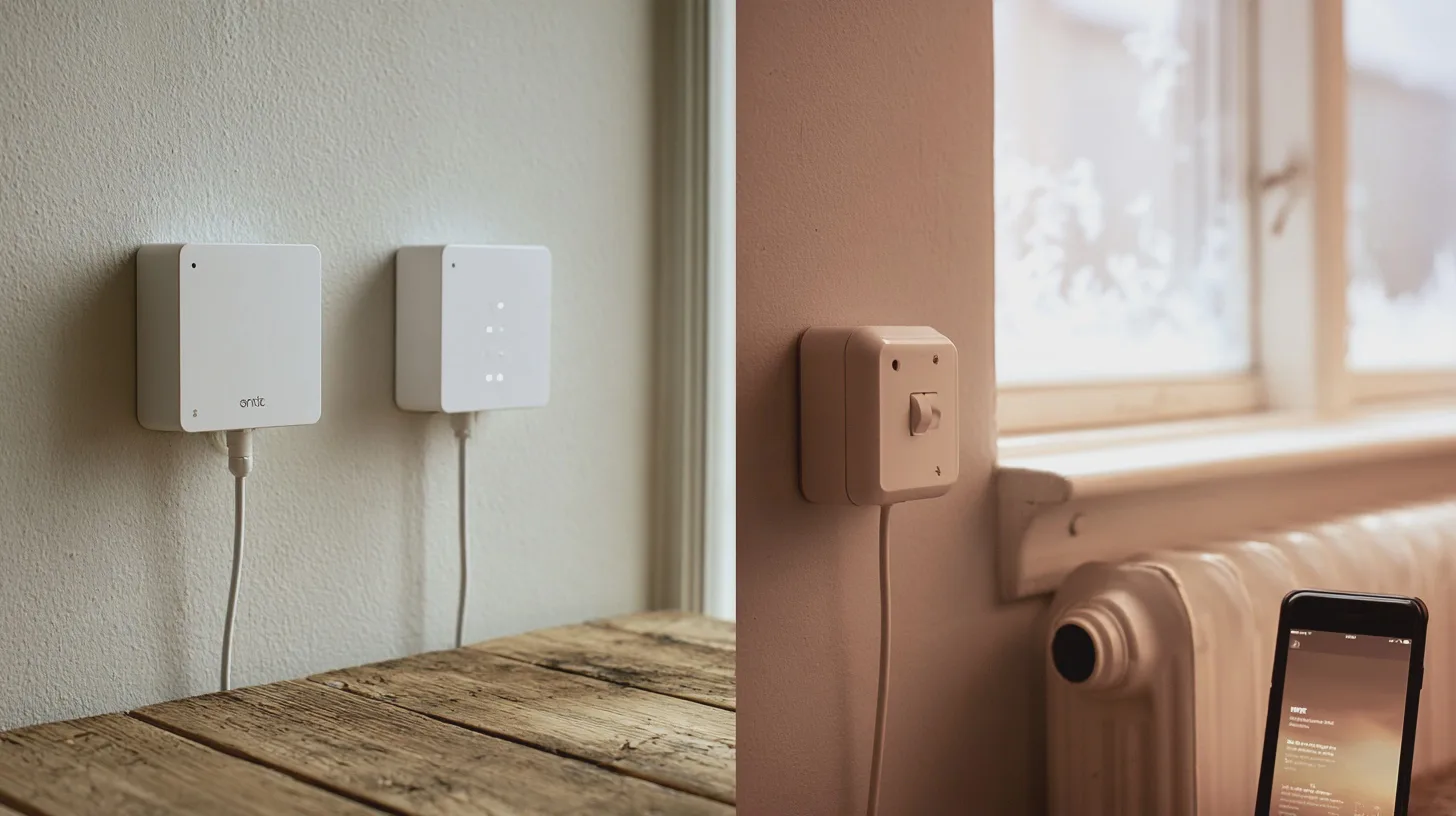
    The first cold morning arrives and your heating app demands a login. Before buying, check whether a simple schedule and proper manual controls already do the job.

    Start with the controls already on the wall

    Take five minutes to work out what you have. A programmer switches the heating on and off at set times. A room thermostat decides whether the house actually needs heat during those periods. A programmable thermostat does both jobs and may let you set different temperatures through the day. Thermostatic radiator valves, or TRVs, are the numbered controls on individual radiators: they restrict heat as each room warms up.

    Each control has its job. A timer on its own cannot tell whether the room is warm enough. A TRV can keep a spare bedroom cooler, but an ordinary TRV cannot call the boiler into action just for that room. And fitting a smart thermostat does not automatically give you independent control of every radiator.

    Find the make and model of your programmer and look up its manual. Check for separate weekday and weekend settings, a heating boost and an independent hot-water programme. If those are already there, your first upgrade may be learning what the buttons do. Hardly glamorous; much less fiddly than rewiring the boiler.

    Energy Saving Trust says whether smart controls save money depends on how you currently run your heating. That is the comparison that matters, not a manufacturer’s savings claim measured against an imaginary house with the heating left on all day.

    Give your heating one sensible week

    Allow roughly 20–30 minutes to set a basic heating schedule; you need no technical experience, just the controller’s manual and an idea of when people are home. Start by correcting its clock. Then programme heating to begin about half an hour before you get up and stop about half an hour before bed. If the house is empty for much of the day, add an off period and an evening start. Give weekends their own times if your controller allows it.

    Set the room thermostat to the lowest temperature that keeps you comfortable; Energy Saving Trust suggests 18–21°C for most people. If the house warms slowly on a bitter morning, start earlier rather than turning up the thermostat in the hope of making the boiler sprint. Health and comfort come first, especially if someone at home is vulnerable to the cold.

    Next, spend about ten minutes checking the TRVs. Try a lower setting in rooms you use less often, then adjust once you have lived with it; the numbers are not precise temperatures. Do not leave a chilly room unheated for long stretches just to win an argument with the gas bill.

    Finally, show everyone where the physical boost or override button is and how to return to the schedule. Live with this arrangement for a week. If it suits you, an app has a remarkably weak case.

    Buy a smart thermostat for a problem your existing controls cannot solve — not for a fancier way to set seven o’clock.

    Buy remote control only if you will use it

    Here is the case for smart: your working hours change, you travel, or you regularly realise on the train that the heating is set for an empty house. Remote control lets you change plans without standing in the hallway. An app may also make a complicated weekly schedule easier to edit. If your routine is predictable and you already use a programmable thermostat, those advantages shrink considerably.

    For a price check, Toolstation lists a Drayton LP522 programmer at £57.99 and programmable room thermostats including a Danfoss TPOne-B at £69.99 and a Honeywell Home T3 at £77.99. Allow approximately £60–£100 for this sort of conventional hardware, depending on the model; fitting is extra. Hive lists its Thermostat Mini at £79, while the announced UK prices for tado°’s second-generation X starter kits are £159.99 wired and £169.99 wireless. That makes approximately £80–£170 a useful smart-hardware comparison, not an installed quote. Prices and offers can change.

    Nor is a new thermostat automatically the best conventional purchase. If your existing programmer and room thermostat work but radiators lack TRVs, Energy Saving Trust puts the approximate cost of adding TRVs throughout a home at £370. Ask an installer what your particular system needs before you buy parts.

    A smart thermostat may earn its price in convenience. Just do not count on it paying for itself: any bill reduction depends on what you would otherwise have done.

    Check the boiler before you check out

    Identify your boiler and check whether you have a separate hot-water cylinder. A combi boiler generally heats tap water on demand, so there is no cylinder-heating schedule to move into an app. If you have a cylinder, check that the exact thermostat kit can switch and schedule hot water as well as central heating. Hive says its compatible conventional-system thermostat can do that, but it does not set the cylinder water temperature.

    Check the manufacturer’s compatibility information against your boiler model and existing controls, particularly if the boiler already has its own advanced controller or your home has more than one heating zone. Check which kit you are buying, too: wired, wireless and hot-water versions are not interchangeable just because the boxes look similar. A system using a heat pump or electric room heaters needs separate scrutiny, not an assumption that a gas-boiler product will work.

    Changing a schedule takes minutes; replacing a boiler receiver is electrical work. Hive recommends an experienced tradesperson, and Which? advises professional installation unless you are competent and the instructions expressly support doing it yourself. Get a fitted quote and ask the installer to demonstrate the physical override before they leave.

    Do not build your heating schedule around phone-location tracking or other app automations. Hive says its existing schedules and on-device temperature control continue if the internet fails, although remote app control does not. Check the equivalent behaviour for any model you choose. A warm house should not depend on remembering a login.

    smart-thermostat-or-simple-timer-decide-before-winter_INS2_MJ

    The verdict: programme what you have, give it a week and keep a physical override everyone can use. If your plans genuinely change too often for a fixed heating schedule, a compatible smart thermostat may be worth the installed cost. Otherwise, leave the app in the shop.

    Sources

  • The theatre subscription trap: six plays, two visits

    The theatre subscription trap: six plays, two visits

    In September, six winter theatre dates seem perfectly manageable. You’ll leave work on time, nobody will need a lift, and a cold Tuesday will feel like an invitation to go out. By February, you’ve seen one play, missed another and paid for a small cultural identity you haven’t had time to inhabit.

    The question isn’t whether a subscription offers a discount. It’s whether it discounts the nights you can actually attend. UK theatre memberships, multi-show bundles and ordinary tickets charge for different things; muddling them up is how a promising season becomes expensive fiction.

    By February, you have seen one play and paid for six. Check booking windows, seat restrictions and exchange rules before your winter theatre plan becomes expensive fiction.

    Count evenings, not shows

    Before comparing prices, open your calendar. Give it about 15 minutes; no spreadsheet expertise required. Mark the evenings you could genuinely spend at the theatre after work, travel and family commitments. Then cut the optimistic total. If six dates become two, price two dates.

    Take a deliberately simple illustration: six qualifying seats at £40 each. Ordinary tickets cost £240 before any fees. A 20% bundle discount brings that to £192. But if you attend only two performances, you’ve paid £96 per visit, against £80 for two individually bought £40 seats, again before fees. Your ‘saving’ has cost £112. Add a companion’s unused tickets and the arithmetic looks still less charming.

    This isn’t a made-up theatre offer: Theatre Royal Plymouth advertises a non-member multibuy rate of 20% on five or more qualifying productions. Its terms require the qualifying shows to be booked together; the offer excludes premium seats and some shows or performance times. The £40 seat in my example is illustrative, not its quoted price.

    And a bundle isn’t the same as a membership. Plymouth’s multibuy commits you to several bookings at once. A flexible membership charges an annual fee, then lets you choose eligible tickets as your year unfolds. Neither guarantees a seat on the Saturday you finally have free.

    Find the break-even point before joining

    ATG+ offers a useful test case for a flexible membership. It currently costs £50 for 12 months by recurring Direct Debit, or £60 as a one-off card payment, without ticket protection. Tickets are extra. ATG advertises selected member prices, some removed transaction charges, priority booking and fee-free exchanges within its rules; it doesn’t promise a fixed saving on every seat.

    Here’s the calculation: divide the annual fee by the saving on tickets you expect to buy. Suppose the eligible performance and seat you want save £5 per ticket, with no other fee saving. The £50 membership needs ten such tickets to break even; the £60 version needs twelve. For a couple buying two seats each time, that means five or six visits respectively. Two visits would save £20 on tickets and leave you £30 or £40 short. If your actual checkout also removes transaction charges, count those too — but only where they really disappear.

    Compare the non-member and member checkout totals for identical seats, dates and party size. Add the membership fee to the member total. Set both against any multibuy basket and against booking each show separately. For perspective, the National Theatre’s listed productions include tickets at roughly £25–£110 and a £4 per-order booking fee for non-members, so seat choice and how you group bookings can change the answer considerably. A drinks discount is a perk, not a reason to invent bar spending you would otherwise have avoided.

    The break-even point isn’t six shows booked; it’s enough eligible shows actually attended to recover what you paid upfront.

    Read the restrictions as carefully as the price

    Five minutes with the terms can spare you a winter of muttering. First, ask when you must book. Plymouth’s multibuy requires three or more qualifying productions in the same purchase and cannot be applied retrospectively. That makes it attractive if you know your dates, much less so if you intend to decide after Christmas. For a membership, check when priority booking opens, whether the shows you want are included and whether your membership must still be valid when you make changes.

    Next, look closely at the actual performances and seats. Plymouth limits its multibuy to specified price bands, excludes premium seats and concessions, and warns that particular shows or times may be exempt. ATG says its ticket discounts are subject to availability. A discount on Tuesday’s remaining seats is no help if Thursday is your only viable night.

    Finally, read ‘exchange’ as a precise instruction, not a promise of a refund. ATG+ advertises a free move to another available date for the same show at the same venue, requested at least 48 hours before the performance; a dearer replacement seat can cost more. Plymouth’s standard terms say tickets are non-refundable unless a performance is cancelled and that an exchange to another performance of the same production may be possible for £1.50 per ticket.

    Check when the membership expires, whether Direct Debit renews automatically and what happens to unused bookings or credits. Put the renewal date in your calendar before the welcome email vanishes beneath six months of newsletters.

    Who should subscribe — and who should simply book

    My verdict: buy a multi-show deal only when you already want the qualifying productions and can put their dates in the diary now. Plymouth’s multibuy is a concrete option for someone local enough to use it and certain enough to book several shows together. Don’t add an indifferent sixth show merely to reach a better percentage. The cheapest unwanted ticket is the one you never buy.

    Consider ATG+ if you regularly attend ATG venues, can identify eligible savings on performances you would book anyway, and value the option to move a date within its 48-hour rule. If your work or caring commitments change, that flexibility may matter more than a headline bundle discount. It is still not a licence to exchange a touring production for an entirely different play, or to assume every desirable seat is reduced.

    Book individually if your realistic forecast is one or two visits, your free evenings are unpredictable, or the shows you fancy are spread across venues and offer little overlap with one membership. Buy the first ticket you genuinely want, then reassess. The National Theatre’s published prices remind us that an ordinary booking has a cost, but no annual fee to earn back.

    Before paying, run the same short test for any theatre: total price with fees; number of dates you’ll probably attend; eligible seats and performances; last exchange deadline; membership or bundle expiry. If the saving depends on a version of you who goes out every Tuesday in January, let that fellow pay for it.

    the-theatre-subscription-trap-six-plays-two-visits_INS2_MJ

    Bottom line: A bundle suits a settled diary; a flexible membership suits a frequent theatregoer who can use its specific benefits. If neither sounds like your winter, book the play you want to see, on a night you can make.

    Sources

  • September sleep slipping? Reset it with morning light

    September sleep slipping? Reset it with morning light

    The alarm goes off. It is still dark. By Thursday, bedtime has drifted off somewhere after the news, and you are considering a sleep tracker to tell you what you already know.

    Before you try to force an earlier bedtime, give your mornings some structure. A regular wake-up time, followed by daylight when it becomes available, is a better place to start than lying awake at 10pm feeling cross with yourself.

    The alarm rings in the dark, and bedtime starts drifting. A regular wake-up time and daylight after rising can steady your sleep without another gadget.

    Why an earlier bedtime is the wrong place to start

    Your body clock runs on a roughly daily rhythm. Light reaching your eyes helps tell your brain it is daytime; darkness helps signal that night is approaching. Morning light tends to nudge that rhythm earlier, while bright light late in the evening can nudge it later. When you get the light matters, not just how bright it is.

    Getting up at a fairly consistent time gives that rhythm another reliable cue. It also gives you a chance to encounter daylight at a similar point each day. That is why University College London Hospitals’ sleep guidance puts particular emphasis on a fixed getting-up time rather than insisting on a fixed bedtime.

    Of course, sleep is not simply a lighting problem. Stress, pain, alcohol, caffeine, medicines and interrupted breathing can all get in the way. Nor will waking early magically make you sleepy on command that night. You still need enough opportunity to sleep.

    Set an arbitrary early bedtime and you may just spend longer awake in bed, getting frustrated. Start instead with a wake-up time you can actually live with, then let bedtime follow when you feel sleepy. Think steady signal, not military operation.

    Make the first part of your day count

    Choose a weekday wake-up time that leaves enough room for sleep alongside work and family life. If your alarm is set for 7am, get up around 7am rather than repeatedly bargaining with it. Open the curtains and put the lights on if it is still dark; neither requires expertise beyond locating the switch.

    Once there is daylight to be had, get outdoors after rising. Take a short walk before work, spend part of your commute on foot, or step outside during your first break. Allow roughly 10 minutes for the outing as a practical way to make it happen, not as a prescribed light dose. You need not stare at the sky or turn it into exercise training.

    If dawn comes after your alarm, you have not missed your chance. Go outside when the morning brightens rather than waiting indoors for a perfect sunny day. Even under cloud, outdoor daylight is generally brighter than ordinary indoor lighting. A coat may be the most sophisticated equipment you need.

    It helps to attach the outing to something you already do: walk to the station, take your first phone call outside, or go round the block after breakfast. The aim is a repeatable routine, not a heroic one-off that lasts until Tuesday.

    Anchor the time you get up, take the first sensible chance to get outside in daylight, and let bedtime follow sleepiness, not the other way round.

    Keep the weekend from undoing the weekday

    Saturday need not begin with a work alarm. But get up at 7am all week and at midday on Sunday, and Monday morning may feel like crossing a time zone without the holiday. Keep your weekend wake-up time reasonably close to your weekday one. If you want a lie-in, aim for modest rather than monumental; an extra hour is a practical example, not a rule your body clock will enforce with a clipboard.

    Keep the daylight habit too. A walk for the paper, an errand on foot or a few minutes outside after breakfast will do. After a bad night, try not to make an extremely long lie-in your only recovery plan. More importantly, make room for adequate sleep across the week: consistency should not become a respectable-sounding way to run yourself short.

    In the evening, give yourself a little runway. Spend roughly an hour winding down if you can, turn down bright lights, and put the phone aside rather than taking work messages to bed. Go to bed when you feel sleepy, not because a sleep app has issued orders.

    If you regularly work shifts, care for someone overnight or have an unpredictable schedule, a perfect daily wake-up time may be impossible. Work with the most consistent pattern you can manage. This is a tool for ordinary life, not another reason to feel you have failed at sleep.

    Know what daylight can’t fix

    Stepping outside is not the same as using a light-therapy device. A light box is a deliberately bright product sometimes used for seasonal affective disorder, a form of depression with a seasonal pattern. Evidence for its effectiveness is mixed, and you do not need to buy one for a drifting September sleep routine. If you are considering one because your mood changes with the seasons, speak to your GP first, particularly if you have an eye condition or take medication that increases sensitivity to light.

    Give the wake-up-and-daylight routine a fair try, but do not treat it as a cure. If poor sleep continues despite changes to your habits, lasts for months, or makes daily life hard to manage, talk to your GP. They can look at possible causes and discuss appropriate help, which may include cognitive behavioural therapy for insomnia.

    Have that conversation sooner if someone reports loud snoring, gasping or pauses in your breathing, especially if you are very sleepy during the day. Those can be signs of sleep apnoea; a brighter morning will not sort out interrupted breathing. Persistent low mood or losing interest in things you normally enjoy also warrants a GP conversation rather than another attempt to optimise your alarm.

    And if you are too sleepy to drive safely, do not drive. Getting help matters rather more than keeping your wake-up streak intact.

    september-sleep-slipping-reset-it-with-morning-light_INS2_MJ

    For the coming week, pick a realistic wake-up time and pair it with a brief trip outdoors when daylight is available. Keep weekends broadly similar. If sleep or mood problems persist, or snoring comes with gasping or daytime sleepiness, speak to your GP.

    Sources

  • Why tiredness alone tells you very little

    Why tiredness alone tells you very little

    By mid-afternoon you are shattered, snapping at people you like and not especially interested in sex. Search those symptoms online and a testosterone checklist will probably find you before you find the kettle.

    Low testosterone is one possibility, but hardly the only one. On its own, tiredness tells you remarkably little. The useful question is not ‘How many boxes can I tick?’ but ‘What else might explain this, and what needs checking?’

    You're exhausted, irritable and less interested in sex. Before blaming testosterone, consider sleep, stress, medicines and other treatable causes — and when to ask your GP.

    The symptom list is not a diagnosis

    Fatigue, irritability, low mood and reduced sex drive can occur in men with testosterone deficiency. They also occur in men whose testosterone is not the problem. That overlap makes a symptom list a place to start a conversation, not finish one.

    Think of a checklist as a smoke alarm, not a laboratory. It tells you something deserves attention; it cannot tell you what is burning. If you have been sleeping badly, worrying about work and feeling flat, ticking ‘tired’, ‘poor concentration’ and ‘low sex drive’ may describe one difficult spell, not three separate clues to a hormone disorder.

    Nor does every change after 45 signal a sudden hormonal collapse. Testosterone deficiency is a real condition, but symptoms, ageing and a blood result need to be considered together. Seeing a symptom on a ‘low testosterone’ page does not make it specific to testosterone.

    A reduced sex drive is worth mentioning to a clinician, especially if it is a clear change for you or comes with erection difficulties. It can still have other explanations. The aim is not to talk yourself out of getting help. It is to avoid turning up with the diagnosis already written on the envelope.

    Look beyond hormones first

    Start with sleep. Too little can leave you tired and short-tempered, and broken sleep matters too. Loud snoring, waking with gasping or choking noises, and struggling to stay awake during the day are reasons to ask about sleep apnoea, rather than simply buying a ‘testosterone booster’.

    Stress can sap your energy and interest in sex. Depression can do both, sometimes without looking like the version you expected. If you have lost interest or pleasure in things you usually enjoy, tell your GP plainly. Low mood is not a character flaw, and it should not be filed under ‘probably hormones’ without a conversation.

    Think about what changed around the time your symptoms began. Some medicines can make you drowsy or affect sex drive; certain antidepressants and blood-pressure medicines are examples. Alcohol, relationship difficulties and an exhausting routine can muddy the picture. Do not stop a prescribed medicine yourself: ask your GP or pharmacist whether it could be playing a part.

    Medical causes deserve a look as well. Anaemia can cause tiredness, sometimes with breathlessness or palpitations. Thyroid problems can affect energy and mood; NICE advises clinicians to consider thyroid testing when there is reason to suspect thyroid disease, rather than taking one vague symptom as proof. Diabetes is another possible explanation for fatigue. None can be diagnosed from this paragraph, which is rather the point.

    A symptom list can start the conversation, but it cannot tell you testosterone is the answer.

    Know when to talk to your GP

    Book a GP appointment if you have been unusually tired for a few weeks without knowing why, if it is affecting everyday life, or if it comes with other symptoms such as weight loss or mood changes. A persistent drop in sex drive that worries you is also a perfectly reasonable reason to go. You do not need to prove you have low testosterone before asking for help.

    Before the appointment, spend roughly ten minutes making a few notes; no medical expertise required. When did the change begin? Has your sleep changed? Has anyone noticed loud snoring or gasping? Note changes in mood, sex drive or erections, any new medicines, and whether work, relationships or alcohol might be relevant. That gives your GP more to work with than ‘I feel knackered’ — accurate though it may be.

    Your GP can ask about your symptoms and circumstances, review medicines and decide whether an examination or blood tests would help. Depending on the picture, tests might look for anaemia, diabetes or thyroid problems as well as testosterone deficiency. The useful tests are those that answer a clinical question, not every item on an online hormone panel.

    If symptoms worsen sharply or you need urgent advice, use NHS 111. Call 999 in an emergency. For ongoing tiredness or a change in sex drive, though, a routine GP discussion is usually the sensible first step.

    A blood result needs a second look

    If testosterone deficiency looks possible, your GP can arrange an appropriate blood test. Testosterone is generally checked using a morning sample. A low result is not automatically a diagnosis: it needs to be considered alongside your symptoms, health and circumstances, and may need confirming with another morning test.

    That caution works both ways. A result does not make symptoms disrupting your life disappear; it helps your clinician decide what to investigate next. Equally, one low reading should not turn a complicated problem into a prescription by return post. North Cumbria Integrated Care’s patient guidance describes assessment based on symptoms and low morning results on at least two occasions before testosterone replacement may be considered.

    If deficiency is confirmed, your GP may discuss referral or treatment options. But testosterone treatment is not guaranteed to fix tiredness, mood or concentration. Those symptoms may have other causes that need attention in their own right. The same NHS trust explicitly cautions that replacement may not improve every symptom on its list.

    So take the symptoms seriously, but do not let a checklist call the shots. Ask what the tests mean, whether a result needs repeating and what else could explain how you feel. Finding the cause is a better goal than chasing a particular number on a blood test.

    why-tiredness-alone-tells-you-very-little_INS2_MJ

    Tiredness, low mood and reduced sex drive are reasons to look more closely, not a diagnosis of low testosterone. Think about sleep, stress, medicines and other health conditions; if symptoms persist or affect your life, speak to your GP about an assessment and appropriate tests.

    Sources

  • A pension check-up: five signs your money is working

    A pension check-up: five signs your money is working

    Your pension statement arrives, you glance at the big number and file it with the boiler paperwork. Fair enough: neither is exactly a thrilling read.

    Give the statement and your provider portal about 20 minutes, though. These five checks need no investment expertise — just your latest payslip, an idea of when you might retire and a willingness to ask awkward questions. This checklist is for defined contribution workplace and personal pensions, where your retirement pot depends on contributions, investments and charges. A final salary or career-average pension works differently.

    Your pension statement has arrived. Before you file it away, check whether cash, charges or a missed employer contribution are quietly shrinking your retirement pot.

    1. Check what went in — and what your employer owes

    Where to look: Find ‘contributions’ or ‘payments in’ on your pension statement or portal, then compare the dates and amounts with your payslips. Separate what you paid, what your employer paid and any tax relief added by the provider. If this is a personal pension without an employer contribution, check your payments and any tax relief instead.

    What deserves a closer look: A missing month, an employer payment that does not match your scheme rules, or contributions that stayed flat after a pay rise. Allow for the delay between payroll and money reaching the pension, but do not dismiss a persistent gap as admin.

    In the 2026/27 tax year, the usual automatic-enrolment minimum is 8% of qualifying earnings, with at least 3% from the employer. In most schemes, qualifying earnings are the portion between £6,240 and £50,270 a year — not necessarily your whole salary. Other schemes can calculate contributions differently. Ask payroll which earnings count before applying 3% to your headline pay and concluding something has gone wrong.

    Some employers offer extra employer matching if you increase your pension contributions; not all do. Check your benefits information before counting on free money. If your scheme promises an extra £50 a month and you have not qualified for it, that is £600 over a year before investment returns. It is worth finding out whether you can qualify, though increasing your own payments will also reduce your take-home pay.

    Ask your employer: ‘What contribution rate and earnings basis apply to me, and will you contribute more if I increase my payments?’

    2. Find the cash and 3. check the risk

    Cash — where to look: Open ‘investments’, ‘holdings’ or ‘where your money is invested’ in the portal. Look for a cash balance or cash fund and check whether it is a small holding or a substantial share of your pot. Check where new contributions are going, too: today’s balance does not tell you what happens next month.

    What deserves a closer look: A large cash holding you did not choose, particularly if retirement is still years away. Cash avoids some market swings, but its spending power can fall if it does not keep pace with inflation. It may be there because of an old instruction, a recent transfer or an investment change that was never completed. Holding cash can also make sense when you expect to use that money soon.

    Ask your provider: ‘How much of my pot and future contributions are held in cash, and why?’

    Investment risk — where to look: Find your fund details, investment factsheet and ‘selected retirement date’. Check what the pension invests in and whether a default or ‘lifestyle’ arrangement is changing that mix as you approach retirement.

    What deserves a closer look: A target retirement date that no longer fits your plans. A strategy designed to reduce risk before an imminent withdrawal may be less suitable if you plan to leave the money invested for years. Equally, a pot exposed to large market swings just before you need it warrants a conversation. Taking less risk near retirement is not a mistake; what matters is understanding the trade-off, including the risk that more cautious investments may grow more slowly.

    Ask your provider: ‘What retirement date and way of taking my pension does this investment strategy assume?’

    4. Add up the charges and 5. test the forecast

    Charges — where to look: Search the statement or portal for ‘charges’, ‘fees’, ‘annual management charge’ and fund costs. Check what was actually deducted last year alongside any percentages quoted. If you see several figures, ask whether they overlap before adding them together.

    What deserves a closer look: Charges you cannot explain, especially on an older pension you no longer pay into. As a simple illustration, a 0.5% annual charge on a £100,000 pot is £500 for one year if the balance stays at £100,000. A 1% charge would be £1,000 on the same basis. That £500 difference could otherwise stay invested; over time, the effect depends on future balances and returns. A lower headline charge alone is not a reason to transfer: an existing pension may have benefits you would lose.

    Ask your provider: ‘What was my total cost in pounds last year, what does it include, and are there charges or benefits I should know about before changing anything?’

    Projection — where to look: Find ‘estimated pot’, ‘retirement illustration’ or ‘estimated income’. Check the assumed retirement age, future contributions, investment growth, charges and whether the figures are expressed in today’s money.

    What deserves a closer look: A forecast based on working and contributing until 67 when you hope to stop at 60. Write down the annual spending you expect, including housing costs and room for the things you actually want to do. Then consider your other pensions and check your separate State Pension forecast and its payment age. Do not compare one pension’s projected pot with a yearly spending figure; ask what income the illustration assumes that pot could provide. Projections are not promises: markets, inflation, charges and your choices can all change the result.

    Ask your provider: ‘Can you show this projection using my intended retirement date and explain its assumptions?’

    a-pension-check-up-five-signs-your-money-is-working_INS2_MJ

    Keep five questions beside your statement: Are the right contributions arriving? Why is any money in cash? Does the investment strategy match when and how I plan to retire? What am I paying in total? What assumptions sit behind the forecast? Take the contribution question to your employer or payroll team, and the rest to your provider.

    For help making sense of your retirement numbers, use MoneyHelper. If you are 50 or over with a UK defined contribution pension, Pension Wise offers free guidance on taking it. For significant personal decisions — particularly changing investments or transferring a pension — consider an FCA-regulated financial adviser.

    Sources

  • Smart glasses: which features are worth paying for

    Smart glasses: which features are worth paying for

    Think about your last ordinary Tuesday. Were you taking calls while cooking, listening to directions on a walk, checking a train platform, or trying to read a menu without swapping glasses? That routine is a better shopping guide than a demonstration involving an AI assistant and a conveniently positioned landmark.

    Smart glasses put some combination of speakers, microphones, cameras or a display in a frame. The feature worth paying for is the one that removes a small, repeated irritation from your day. First, though, the frame has to work as glasses.

    You can put a camera, speakers and an assistant on your nose. But if the lenses are wrong or the controls awkward, you have bought expensive faff.

    Start with the glasses you already wear

    If you need prescription lenses from breakfast onwards, find out the complete fitted price before considering the electronics. Ray-Ban Meta Gen 2 Wayfarers are sold in the UK from approximately £379 with non-prescription lenses; Ray-Ban offers prescription versions, but the final cost depends on your lens choices. Its prescription-focused Blayzer Optics frame is listed at approximately £429 before prescription lenses.

    That distinction matters if you wear varifocals, have a stronger prescription or need a particular lens treatment. Ask an optician whether your actual prescription and preferred lens type can be fitted to the specific model. Do not assume that ‘prescription available’ means your usual lenses will work. Ray-Ban lists a prescription-power limit for Gen 2, so check eligibility before buying a frame.

    Fit deserves just as much attention. Try the glasses in person if you can: look down as if reading, turn your head, and wear them long enough to notice pressure behind your ears or on your nose. Thick arms that feel fine for two minutes can become tiresome during a commute. The Blayzer Optics has adjustable elements designed for prescription wearers, but adjustments are no substitute for trying it on.

    If your current glasses fit beautifully and you would wear the smart pair only occasionally, keep your existing lenses and spend nothing yet. A second pair is convenient only if you remember to take it with you.

    Audio and controls should save you a step

    Audio glasses make most sense if you already wear glasses and regularly need brief calls, spoken directions or a podcast while keeping your ears open. Ray-Ban Meta Gen 2 combines open-ear speakers with touch and voice controls. The UK-listed Wayfarer starts at approximately £379. Oakley Meta HSTN is another UK prescription-capable option if you prefer a sportier frame; a listed configuration costs approximately £439.

    Open-ear sound is not private sound. Which? found that music from Ray-Ban Meta glasses leaked noticeably at high volume. In a quiet train carriage or office, earbuds are the more considerate purchase. They are also the simpler answer if sound is all you want and you do not need another pair of glasses.

    Test the controls with your phone in your pocket. Can you pause audio, change volume and answer a call without repeatedly touching the wrong part of the arm? Try voice commands outdoors as well as in a quiet shop; saying ‘Hey Meta’ across a café may appeal less than tapping a frame. Check which commands and services work with your phone before paying for the promise of hands-free everything.

    Ray-Ban quotes up to eight hours for Gen 2 under moderate use, but up to five hours for continuous audio and voice assistance. That is a useful distinction if your working day includes a long commute. A charging case extends the day only when you can take the glasses off to use it.

    If the prescription, fit and basic controls are wrong, the clever features are just expensive faff on your nose.

    A camera costs more than the sticker price

    A camera in your glasses can be useful when you want to film something without holding a phone. Start with the moments you would actually record, rather than the ones that look good in a demonstration. If those moments are rare, carrying another camera on your face may be more trouble than it is worth. You still need the frame to fit, and you still have to pay for the glasses.

    AI needs the same test. An assistant that helps with a task you repeat could save you a step; one you use once to see what it can do is not much of a reason to buy. Before you pay, ask what you would say to it, where you would use it and whether reaching for your phone would be just as easy. The answer need not flatter the glasses.

    Then consider the people around you. Camera glasses make filming less conspicuous than holding up a phone, which can make other people unsure whether they are being recorded. Be clear about what you are doing, ask before filming someone and put the camera away when recording would be unwelcome. Being able to capture a moment hands-free does not mean everyone else has agreed to be in it.

    That is the extra cost: not another figure on the receipt, but another decision you make whenever you wear them. If the camera solves a regular problem, weigh that benefit honestly. If it does not, choose glasses for their fit and the features you will actually use.

    Only buy a display for a job you actually have

    A display sounds like the obvious upgrade until you ask what you want to see. Discreet information is one proposition; screen glasses are another. Decide whether you need a brief glance at information or a screen you would deliberately sit down to use. Neither is worth buying simply because a picture can appear in front of your eyes.

    Prescription needs make that distinction more practical than it sounds. Even Realities G2 has prescription-lens choices to check against your own requirements. XREAL One has prescription-insert guidance, which is another reminder to work out the complete setup before paying. As with audio glasses, the useful price is what it costs you to see comfortably, not just the figure attached to the device.

    Imagine a normal week with the display, not a particularly obliging afternoon. What would you look at, how often, and would it be easier than using the phone or computer you already own? If you cannot name that job without reaching for a hypothetical situation, wait. A display should save you effort, not give you a new reason to fiddle with your glasses.

    The final test is reassuringly unglamorous: confirm that your prescription can be fitted, try the frame and check the controls and battery against the task you have in mind. Then compare the complete purchase with ordinary glasses and earbuds. If the familiar combination does the job more comfortably, there is no prize for making it more complicated.

    smart-glasses-which-features-are-worth-paying-for_INS2_MJ

    The buying test: name one task you would do with the glasses at least several times a week. Then confirm the fitted prescription price, wear the frame, try the controls and check whether the battery covers that task. If ordinary glasses and earbuds do it more comfortably, keep them.

    Sources

  • 55 now? The two years before your State Pension

    55 now? The two years before your State Pension

    You are 55, and the plan is to stop work at 65. Fair enough. But what covers the council tax, food bills and everything else until your State Pension arrives?

    If you turned 55 in September 2026, you were born in September 1971. Under the current timetable, your State Pension age is 67: September 2038. Stop work at 65 in September 2036 and you have roughly two years to fund. That is a budget problem, not just a birthday to circle on the calendar.

    Planning to finish work at 65? Under current rules, your State Pension starts at 67, leaving 24 months of bills to cover before it arrives.

    Put a price on the missing 24 months

    Start with what you expect to spend, not what you hope your pension pot might earn. At £2,000 a month, 24 months costs £48,000. That is before inflation, tax on any taxable pension withdrawals, or other income you might have. It is not a forecast of what life will cost in 2036–38.

    Your figure could look quite different. A mortgage that is still running, support for family or travel in your first years away from work can push it up. Lower commuting costs might pull it down. List essential bills and discretionary spending separately; the latter is easier to adjust if the sums do not work.

    Next, subtract income you can actually rely on during those 24 months: perhaps part-time earnings, a partner’s income or a workplace pension already paying out. Do not subtract a State Pension that has not started. If reliable income is £500 a month against £2,000 of spending, you need to fund £1,500 a month, or £36,000 over two years, before the same caveats.

    There is no compulsory retirement age of 65 for most workers. It is a choice, not a switch an employer or the State normally flicks for you. What matters is whether you can afford to retire then without asking the rest of your retirement savings to do too much heavy lifting.

    Check your date and your forecast

    Before working out where to find £48,000 — or your own number — check when your State Pension is due and what you may receive. On GOV.UK, search for Check your State Pension forecast. Sign in, or create sign-in details; you may be asked to prove your identity. Allow roughly 10–20 minutes if you have your details to hand. No pension expertise required.

    The service shows when you can get your State Pension, an estimate of how much you could get and whether you may be able to increase it. Also search GOV.UK for Check your National Insurance record. It shows qualifying years, credits and gaps, and whether voluntary contributions could improve your forecast. A gap is not automatically a bill worth paying: check its effect on your forecast first, and whether you are entitled to credits.

    Do not assume everyone gets the full new State Pension. Its full rate is £241.30 a week in the 2026–27 tax year, but that is today’s rate, not a promise of what will be paid in 2038. Your forecast may be lower because of your National Insurance history, including time contracted out before 2016. It may also differ if you built up an entitlement under the old Additional State Pension rules. For people with pre-2016 records, counting 35 qualifying years does not settle the question on its own.

    Finally, that date is the one set by current legislation. Future legislation could change the timetable. Check again as retirement gets closer, rather than building an irreversible plan around a screenshot from 2026.

    Retiring at 65 is your choice; paying the bills until 67 is the part your plan has to explain.

    Choose how to bridge the gap

    You could work longer, full-time or on reduced hours. Earnings can reduce what you need to take from savings; continuing to work may also add qualifying National Insurance years if your forecast can still improve. The trade-off is plain: more time earning means less time retired. Even working one of the two years could materially shrink the gap, depending on what you earn and spend.

    Alternatively, you could set aside accessible savings or use pension money. Saving £500 a month for 10 years amounts to £60,000 paid in before interest or investment growth — and before allowing for inflation. That is a useful yardstick, not a claim that £60,000 will buy the same retirement in 2036. Cash savings offer flexibility; drawing a pension earlier leaves less for later years. Pension withdrawals can also bring an Income Tax bill, particularly alongside earnings.

    Do not confuse State Pension age with the age you can access most private pensions. The normal minimum pension age is currently 55 and rises to 57 on 6 April 2028, subject to exceptions including some protected pension ages and ill health. Being able to take pension money does not mean you need to. Check your scheme’s rules: starting a defined benefit pension early will usually reduce its regular income.

    You can also delay claiming the State Pension after reaching State Pension age. Under current new State Pension rules, deferring for at least nine weeks increases the eventual weekly payment; a full year adds just under 5.8%. But you forgo payments while you wait. Deferral cannot fund the gap from 65 to 67 — it extends the period you must cover yourself. Tax, benefits and how long you expect to draw the pension matter here. For a personal decision about pension withdrawals or deferral, use a free Pension Wise appointment if you have a defined contribution pension, or speak to an FCA-regulated financial adviser.

    55-now-the-two-years-before-your-state-pension_INS2_MJ

    Your next step: set your expected monthly spending against reliable income from 65 to 67. Check your State Pension forecast and National Insurance record, then price the shortfall. If the answer is uncomfortable, you still have time to change the plan — better than finding out at 65.

    Sources

  • Flu jab now or later? The midlife timing trap

    Flu jab now or later? The midlife timing trap

    The pharmacy offers you a flu jab while you’re still in a light jacket. Too soon? Better to save it for January, when winter has properly shown its teeth?

    For most men in their fifties, that is the wrong puzzle to solve. What matters is whether you want the protection, whether you qualify for a free jab and when you can actually get one.

    Your pharmacy offers a flu jab before the first cold snap. Should you take it now, wait for winter, or skip it altogether?

    The autumn offer is not too early by default

    A flu jab does not work instantly. According to the NHS, it usually takes up to 14 days to work. Leave it until flu is already going round at work and you may have given it an avoidable head start.

    Timing does matter, but the answer is less clever than it sounds. Protection can decline over time in adults. That is why the UK Health Security Agency (UKHSA) and NHS England scheduled the 2026–27 flu programme for most eligible adults to start on 1 October 2026, rather than in September. They aim to have most vaccinations completed by the end of November, before flu typically peaks.

    That is programme planning, not a reason to hold out for the last available appointment in November. If a suitable slot comes up in October or November, taking it is generally more useful than trying to guess exactly when this season’s flu will arrive. Viruses are notoriously poor at respecting your diary.

    There are exceptions to the English October start, including adults for whom a clinician judges earlier vaccination appropriate, such as someone about to begin immunosuppressive treatment. And do not assume every UK nation starts on the same date: Scotland’s 2026 offer began in September, while Wales set its own programme timetable. If your circumstances are unusual, ask your GP or vaccination team instead of applying a rule intended for everybody else.

    What the jab can do — and what it cannot

    The first potential benefit is simple: vaccination can reduce your chance of catching flu. It cannot bring that chance down to zero. The vaccine is updated each year to target the strains expected to circulate, but the match and the protection people get vary between seasons and individuals.

    A second benefit is worth keeping separate. If you do catch flu after vaccination, it may be milder and less likely to cause serious complications or lead to hospital care. ‘I got flu despite the jab’ does not, by itself, mean the jab did nothing.

    Just as mistaken is treating the jab as permission to ignore symptoms or visit someone vulnerable while ill. It reduces risk; it is not an invisibility cloak. If you are unwell, take sensible steps to avoid passing on an infection; if you have a high temperature on appointment day, ask the vaccination provider about rearranging.

    Why have it again each year? Both sides of the equation change: protection fades, and the strains the vaccine is designed to cover are updated. Last autumn’s jab is not a standing reservation on this winter’s protection.

    If a health condition puts you at higher risk, there is a stronger case for accepting an offer. If you are healthy, the likely personal benefit is less certain in absolute terms, but ‘not guaranteed’ is not the same as ‘not worth considering’.

    For a man in his fifties, the useful autumn jab is usually the one he actually gets — not the one he planned to book at precisely the right moment.

    Being fifty-something does not automatically make it free

    Across the UK, a healthy man in his fifties does not qualify for a free seasonal flu jab on age alone. The routine age threshold is 65, though the precise age cut-off for a season can differ by nation. Do not bank on the old assumption that everyone over 50 gets one free.

    Your circumstances could change that. Eligible long-term conditions can include diabetes, certain heart or lung conditions, kidney disease and a weakened immune system. Carer status, living with someone who is immunosuppressed, working in health or social care, or living in a care facility may also count. The details differ across the UK, and having, say, mild asthma does not automatically settle eligibility. If you are unsure, ask your GP surgery or pharmacist.

    England: the NHS lists the eligible groups and says most can be vaccinated from 1 October 2026. Scotland: NHS inform lists additional groups, including unpaid carers and some people with particular occupational exposures; its 2026 flu offer began in September. Wales: the 2026–27 programme includes clinical risk groups, carers, household contacts of immunocompromised people and certain other groups; someone turning 65 by 31 March 2027 meets its age rule. Northern Ireland: check the Department of Health’s 2026–27 programme and ask a local provider to confirm your eligibility before booking; do not assume England’s NHS booking page reflects its arrangements.

    Your booking decision, without the faff

    Start by checking eligibility. Looking at your national guidance and asking a provider if anything is unclear should take a few minutes; no specialist knowledge required. Mention relevant conditions, caring responsibilities or health and social care work, rather than just your age.

    If you qualify in England, book through the NHS website or NHS App, or ask your GP surgery or a participating pharmacy. In Scotland, eligible people are sent appointment details or booking instructions; NHS inform has an online booking portal and a vaccination helpline. In Wales, adults in a clinical risk group can use their GP surgery or some community pharmacies; health and social care workers should ask their employer. In Northern Ireland, ask your GP surgery, a participating community pharmacy or your Health and Social Care Trust about this season’s local appointments. England’s online booking service is not for the other nations.

    If you do not qualify for a funded jab, ask about a private one. Boots, for example, lists its private winter flu jab at approximately £22, subject to availability; its stated appointment takes around 10 minutes. Check the current price and whether your chosen branch offers it before setting off. Your employer may offer vaccination too.

    In short: if you are offered a suitable autumn appointment, you generally need not put it off to chase perfect timing. If you are offered a September jab and have particular medical circumstances, check with your GP or vaccination provider. Missed autumn? Ask whether vaccination is still available rather than writing off the whole season.

    flu-jab-now-or-later-the-midlife-timing-trap_INS2_MJ

    Your call: check whether your circumstances qualify you for a free jab, then take a suitable autumn slot if you want protection. Think lower risk, not a guarantee you will avoid flu.

    Sources

  • What Happens If You Stop Working Earlier Than Planned? — Financial Plan B

    What Happens If You Stop Working Earlier Than Planned? — Financial Plan B

    Your retirement plan might say you’ll work until 65. But what happens if your final paycheque arrives at 57?

    Most retirement calculations contain one enormous assumption:

    You get to choose when you stop working.

    Perhaps you’re 52, earning well and planning another 13 years of salary, pension contributions and mortgage payments before retiring at 65.

    Then something changes.

    Your company restructures. Your health changes. A parent needs care. Your industry moves on. Or you discover that finding another senior role at 58 isn’t as easy as it was at 38.

    Suddenly retirement isn’t a date you’ve chosen.

    It’s a financial problem you need to solve.

    That’s why anyone approaching their 50s should have a Financial Plan B.

    Work out how long you could survive without a salary

    Start with a slightly uncomfortable question:

    If your salary stopped next month, how long could you maintain your current lifestyle?

    One month?

    Six months?

    Two years?

    MoneyHelper suggests aiming for around three to six months of living expenses in accessible savings when preparing for possible job loss.

    For someone approaching retirement, however, there’s an argument for thinking even further ahead.

    If you’re 58 and lose a specialist £80,000-a-year role, your biggest risk may not be being unemployed for three months.

    It may be returning to work at £50,000.

    Or £35,000.

    Or deciding that you don’t want another demanding full-time job at all.

    Your emergency fund therefore isn’t simply unemployment money.

    It buys time and choices.

    Know when you can actually access your pension

    A large pension pot can create a false sense of security.

    You might have £400,000 invested and still find yourself short of usable cash.

    Currently, most people can access private pensions from age 55, but the normal minimum pension age increases to 57 from 6 April 2028, subject to exceptions such as certain protected pension ages and ill-health retirement.

    That matters enormously if work disappears earlier.

    A 54-year-old with £300,000 in a pension and £3,000 in the bank doesn’t really have £303,000 available.

    They have £3,000 available today.

    That’s why accessible savings and ISAs can play such an important role alongside pensions.

    Look at your mortgage differently

    The mortgage you can comfortably afford on £6,000 a month may feel very different on £2,500.

    Calculate your essential monthly costs:

    Mortgage
    Council tax
    Energy
    Food
    Insurance
    Transport
    Debt repayments

    Then calculate how much income you’d need simply to keep the household functioning.

    A lower mortgage balance before your late 50s doesn’t just improve retirement finances.

    It reduces your dependence on maintaining your current salary.

    That can be remarkably valuable.

    Check what protection you already have

    Many people don’t know what happens financially if they’re unable to work for six months.

    Check your employer benefits.

    You may already have income protection, enhanced sick pay, critical illness insurance or life insurance through work.

    Individual income protection policies can typically replace around 50–65% of income if illness or injury prevents you from working, depending on the policy. Payments usually start after an agreed waiting period.

    Redundancy protection is different and often much more limited, so read the exclusions carefully rather than assuming you’re covered.

    Don’t assume your next job must look like your current one

    Your Financial Plan B isn’t necessarily:

    “Find another identical job.”

    It might be:

    Consulting two days a week.
    Moving into a less senior role.
    Freelancing.
    Starting a small business.
    Teaching or mentoring.
    Turning an existing skill into project work.

    If your household requires £60,000 of salary to function, losing a senior job is frightening.

    If you’ve reduced your expenses and only need another £20,000–£30,000 of income before pensions become available, the problem becomes very different.

    This is where retraining before you need it can also matter.

    Don’t wait until redundancy arrives to discover what skills the market values.

    Build an income bridge

    Imagine you planned to retire at 65 but stop full-time work at 58.

    You don’t necessarily need enough money to finance your entire retirement immediately.

    You need a seven-year bridge.

    That bridge could combine:

    Redundancy pay
    Cash savings
    ISA withdrawals
    Part-time work
    Consulting income
    A partner’s income
    Later pension withdrawals

    Even earning £20,000 a year for five years could mean withdrawing £100,000 less from your savings.

    That’s a huge difference.

    Your Plan B may become your Plan A

    There’s another possibility.

    You might discover that you don’t actually want to work until 65.

    Creating enough financial resilience to survive redundancy also gives you the ability to choose to leave.

    That’s the real objective.

    Not predicting whether you’ll lose your job.

    But reaching your late 50s knowing that if your career suddenly stops going according to plan, your life doesn’t have to.

    Enter your age, monthly expenses, savings, mortgage and pension value to see how long you could survive if your salary stopped today — and how much alternative income you’d need to bridge the gap to retirement

  • Your Last 10 Working Years Matter Most

    Your Last 10 Working Years Matter Most

    If you’re 55 and planning to retire at 65, you may have only another 120 monthly paycheques left. What you do with them could matter more than you think.

    For many men, the decade before retirement coincides with some of their highest-earning years.

    Your salary may finally be where you always hoped it would be. The mortgage could be shrinking. Children may need less financial support. Bonuses might be larger.

    Yet something else often happens at exactly the same time.

    Your spending rises too.

    Better cars. Better holidays. More meals out. A house upgrade. Subscriptions you barely notice.

    Suddenly a £10,000 pay rise produces surprisingly little additional wealth.

    That’s why your final working decade deserves a different mindset.

    You aren’t just earning money anymore. You’re converting your final paycheques into the life you’ll have when the paycheques stop.

    Think in paycheques, not years

    Ten years sounds like a long time.

    120 salaries doesn’t.

    If you have £1,000 available from each of those final 120 paycheques, that’s £120,000 before considering investment growth, pension tax advantages or employer contributions.

    At £500 a month, it’s £60,000.

    At £1,500, it’s £180,000.

    The question is where that money goes.

    Increase your pension while your income is high

    Your 50s can be an especially powerful period for pension saving.

    Pension contributions generally receive tax relief, meaning some money that would otherwise go in tax can instead help fund retirement.

    The standard pension annual allowance is currently £60,000, although it can be lower for very high earners and people who have already flexibly accessed pension benefits. Unused allowance from the previous three tax years may sometimes be carried forward.

    That makes it worth asking a simple question:

    Could you live on today’s salary while putting your next pay rise into your pension?

    If the answer is yes, you’ve found a way to increase retirement saving without actually reducing your current lifestyle.

    Understand salary sacrifice

    If your employer offers pension salary sacrifice, investigate it.

    Instead of receiving part of your salary or bonus, you agree for your employer to pay it into your pension. Under today’s rules, this can be particularly tax-efficient and can reduce National Insurance as well.

    The rules are changing, however.

    From April 2029, only the first £2,000 a year of employee pension contributions through salary sacrifice will remain exempt from National Insurance. Contributions above that can still receive Income Tax advantages, but National Insurance will apply.

    So check how your employer’s scheme works rather than assuming all pension contributions are treated identically.

    Don’t waste the bonus

    A £10,000 bonus creates a surprisingly dangerous thought:

    “I deserve something.”

    And perhaps you do.

    But you don’t necessarily need to spend all £10,000 proving it.

    Consider dividing bonuses before they arrive.

    Perhaps:

    50% pension
    25% mortgage or debt
    15% ISA
    10% something enjoyable

    The exact percentages aren’t important.

    The principle is.

    Windfalls are much easier to save before they become part of your lifestyle.

    Use ISAs to create flexibility

    Pensions are powerful, but retirement planning shouldn’t necessarily consist entirely of pension money.

    For 2026/27, you can currently put up to £20,000 a year into ISAs, where interest, income and capital gains can be sheltered from UK tax.

    ISA savings can also be accessed before State Pension age, making them useful if you’re considering stopping work at 60 or gradually reducing your hours.

    Think of your pension as retirement income.

    Think of your ISA as retirement flexibility.

    Having both can be valuable.

    Clear expensive debt

    There is little point chasing investment returns while paying high interest on credit cards or expensive personal loans.

    Entering retirement with fewer compulsory monthly payments can dramatically reduce the income you’ll need.

    Mortgage debt is more complicated because the interest rate may be relatively low and pension contributions may offer tax advantages.

    But expensive unsecured debt?

    For most people, that deserves attention quickly.

    Beware lifestyle inflation

    This may be the biggest leak of all.

    Imagine receiving a £500 monthly pay rise at 52.

    Spend it, and within six months it becomes normal.

    Invest or save it for 13 years and you’ve contributed £78,000, even before any investment return.

    The same principle applies when a car loan ends, the mortgage falls or children leave home.

    Instead of automatically absorbing that money into everyday spending, redirect some of it towards your future.

    Your final paycheque will arrive sooner than you think

    At 45, you may still have 240 monthly salaries before 65.

    At 55, perhaps 120.

    At 60?

    Just 60.

    That doesn’t mean you should spend your final working decade eating beans and staring at your pension statement.

    It means recognising that these are unusually valuable years.

    You’re earning.

    You’re still able to invest.

    You have time for compound growth.

    And retirement is close enough to know what you’re actually working towards.

    Enter your age, salary and monthly savings to see how many paycheques you have left — and what redirecting £250, £500 or £1,000 from each one could add to your wealth by 60 or 65.