Blog

  • Your old phone has one last kitchen job

    Your old phone has one last kitchen job

    There is probably a phone in your house that retired without quite leaving. It still works, but you no longer trust it with your daily life. Could it earn a place in the kitchen instead?

    Yes — as a Wi-Fi radio, timer and occasional video-call screen. This is a roughly 30-minute job requiring only basic phone-setting skills. But your first task is not finding a stand. It is checking whether the handset belongs anywhere near a charger.

    That forgotten handset could handle radio, timers and family calls from the worktop. But if its battery is swollen, the kitchen plan ends there.

    First, give the battery a veto

    Inspect the phone before switching it on or plugging it in. Look for a screen or back panel lifting away from the case, bulging, leaks or other damage. If the battery is swollen, do not charge, use or repurpose the phone. No kitchen radio is worth a battery fire.

    Keep a damaged handset away from heat and anything flammable. Do not put it in household rubbish or the ordinary recycling bin. Contact your council’s household waste recycling centre and tell staff the phone has a swollen battery; ask how they want it brought in rather than dropping it into an unattended electricals bin. Do not try to prise out a battery that was not designed to be removed. If the device is smoking, get out, stay out and call 999.

    If the phone is sound, check its software next. Connect to Wi-Fi, open its system update settings and check the manufacturer’s support information for that specific model. The National Cyber Security Centre warns that unsupported phones miss security fixes. Keeping one online and signed into accounts just because it still turns on is a poor bargain. If security updates have ended, retire and recycle it rather than giving it a permanent place in the kitchen.

    Back up anything you want to keep. Then remove unneeded apps and accounts, or reset the phone and set it up afresh. Use a screen lock, update the apps you retain and protect the account used for calls with two-step verification where available. You want a kitchen helper, not an unattended copy of your entire digital life.

    Make radio and timers easy to reach

    Join your home Wi-Fi and try BBC Sounds from the phone’s official app store. Search for a station you actually listen to, start its live stream and leave it playing while you do something else. That quick test tells you more about the handset’s usefulness than a drawerful of old specifications. If you prefer another station’s own app, test that on the device too.

    Do not assume an old smartphone runs today’s services. App requirements change: check the store listing against the phone’s operating-system version, then make sure the app installs, signs in and plays. The same goes for video calls. Do not download an unofficial app file to get around a compatibility warning.

    This is internet radio, not DAB. DAB — Digital Audio Broadcasting — reaches a radio receiver through broadcast transmitters. Your phone gets a stream over your broadband connection. If your Wi-Fi or internet goes down, the live stream stops; a separate DAB set does not depend on your home broadband. Streaming can also lag behind a broadcast, which matters if you are following sport while somebody next door celebrates first.

    For the other half of its shift, use the phone’s built-in Clock app. Put the timer within easy reach, set one for a minute and check that its alert is loud enough over the radio. Test whether audio resumes afterwards and whether the screen can sleep without stopping playback. A dark screen and a reliable alarm beat a permanently glowing clock you cannot hear over the extractor fan.

    Internet radio needs your Wi-Fi, but a swollen phone needs a recycler, not a charger.

    Add family calls, then choose its place

    Pick the calling service your family already uses, not one that makes everyone install something for your kitchen experiment. FaceTime can make video calls over Wi-Fi on a compatible iPhone; Google Meet is another option if the handset and app meet its current requirements. Sign in, allow camera and microphone access, and make a test call. If an old mobile number is no longer yours, check which account address or contact details people should use to reach you.

    Now find a spot that works for all three jobs. A stable stand on a clear, dry part of the worktop should keep the phone upright and visible without putting it beside the hob, kettle, sink or chopping board. Check that the charging lead cannot be snagged. Use a suitable, reputable charger on a hard, uncovered surface; charge while you are around, unplug when full, and do not leave the phone charging overnight or permanently tethered beside a heat source. If it becomes unusually hot, swollen or damaged, stop using it.

    Does this beat buying another gadget? If the phone passes the safety and update checks, you already own it and it handles three tasks. A dedicated set such as the Roberts Play 10 DAB radio was listed at approximately £40 in the UK when checked. That gets you broadcast radio without relying on broadband, but not the video-call screen or a kitchen timer.

    The phone wins if you have a safe, supported spare and decent Wi-Fi. Buy the simpler radio if you mainly want to press a button and listen, or if the handset fails either check. Reuse makes sense. Keeping a suspect battery on charge to save a few quid does not.

    your-old-phone-has-one-last-kitchen-job_INS2_MJ

    A useful kitchen phone is physically sound, still supported and tested with the apps you need. Give it a safe place, charge it sensibly and let it handle several jobs. If its battery is swollen, the project ends before it begins.

    Sources

  • Listening bars versus pubs: better nights after 45

    Listening bars versus pubs: better nights after 45

    If you leave a night out knowing the bassline but not what your friend said about his divorce, you chose the wrong venue. At a listening bar, the record gets top billing. At a pub, conversation usually does. At a gig, your mate might as well be on another continent until the interval.

    None is inherently the grown-up choice. The trick is deciding whether you’re going out to talk, listen together or surrender to a performance — ideally before buying two tickets and realising you wanted the first of those.

    At a listening bar you can hear the record; at a gig, perhaps not your mate. Can the pub save your voice and wallet?

    For a proper catch-up, give the pub first refusal

    My verdict for seeing an old friend: start with a traditional pub, not a listening bar. You want the freedom to change subjects, stay for one drink or settle in for three, and hear the answer to “How are things, really?” without interviewing someone over a drum solo. Any music should be incidental. The atmosphere can be gloriously uncurated: familiar faces, an actual bar to lean on and nobody expecting a thoughtful response to side two.

    But pub is not a volume setting. J D Wetherspoon says most of its pubs play no background music, while its Lloyds No.1 bars can have music or DJs. A music-free room can still be deafening when it fills up. Find a table away from the bar, television and quiz night; if the catch-up matters, go earlier rather than staking your voice on Friday at nine.

    The financial advantage is flexibility, not a guaranteed bargain. In an ordinary pub you can generally stop after a pint without having bought a show ticket; check the particular venue for event admission, table terms and drink prices. There is no defensible single “UK pub pint” to put on your budget. Before you commit, check that pub’s current menu and events calendar. If it turns out to be hosting a live band, excellent for the band, less excellent for the story your friend has been trying to finish since 2019.

    For a date, let a listening bar do some of the work

    A listening bar makes a good date if you both like music enough to let it interrupt you. The record gives you something to notice together; a lull in conversation feels deliberate rather than terminal. My pick for that balance is The Left Bank in Glasgow’s West End: it describes its vinyl-led sound as loud enough to matter but set so people can still talk. It takes bookings and welcomes walk-ins. Ask which area your booking covers and what is happening on the night; a table beside the decks is a different prospect from one tucked away for dinner.

    For an evening that puts music first, there’s Spiritland in London’s King’s Cross. It has seating and table service rather than a dancefloor, and says ordinary entry is free, with selected talks and Q&As ticketed. So you can have a drink and listen without paying for a gig. It does not mean every listening event suits a long conversation. Check the programme and ask about chat etiquette, booking deposits or minimum spends before promising someone an intimate evening.

    The cost can creep up at the bar. The Left Bank’s published drinks menu puts draught pints at approximately £5–£7, depending on the beer. Those are Glasgow venue prices, not a UK-wide listening-bar tariff. Budget for the drinks you would actually order, plus food if this is dinner rather than a date sustained entirely by opinions about hi-fi. My verdict: excellent for a date with room for companionable silence; a poor choice if either of you needs to get something important off your chest.

    The best night out is one where the music and the conversation know which of them is the guest.

    For a solo night, pick the gig — but check the seat

    Going alone to a gig is underrated. You owe nobody commentary during the set, can stand where you like and can leave when the encore starts to feel like an administrative matter. For a music-focused solo evening, I would choose a seated show first. Union Chapel in London is fully seated, though most seats are unreserved wooden pews: arrive around doors for a better choice, and consider a small cushion. Its live-event stage curfew is 10.30pm. Check the individual listing for doors, finish and ticket terms before planning your route home.

    A loud standing show is a different purchase. It offers energy and proximity, but is rarely the place for a catch-up, and standing for a whole set may not be your idea of leisure after work. Leeds venue Brudenell Social Club’s October listings show advance gig tickets at approximately £15–£38 for various acts, with booking fees on top; that is a snapshot of individual shows, not a standard gig price. Check the specific ticket for seating or standing, accessibility arrangements and fees. Factor in drinks, travel and any cloakroom charge before declaring the night affordable.

    Take well-fitting earplugs to a loud show. NHS hearing guidance recommends protection for concerts; even a seated gig is not necessarily gentle on the ears. Finally, check the last train or bus before the headliner’s start time, and decide whether you would pay for a cab if it disappears. My verdict: gig for a solo evening, seated if comfort matters; pub for your friend; listening bar for a date. The venue should suit the night you want, not the person you were at 25.

    listening-bars-versus-pubs-better-nights-after-45_INS2_MJ

    The short version: book a pub table for a proper catch-up, choose a conversation-friendly listening bar for a music-loving date, and go to a gig solo when the performance matters most. Check the event, the full cost and your journey home. Above all, don’t confuse a seat with silence or a record player with permission to talk through the album.

    Sources

  • Six back-pain habits that keep the ache hanging around

    Six back-pain habits that keep the ache hanging around

    Lower back pain has a way of making you negotiate with furniture. The sofa looks safe; the kettle suddenly seems miles away. But stopping everything until your back feels normal can work against you.

    Most back pain improves within a few weeks, according to the NHS, though it can last longer or return. There is no prize for pushing through it, either. The useful middle ground: do what you comfortably can, build back gradually and know when to get help.

    Your back twinges, so you retreat to the sofa and ask for a scan. Sensible? Not always. Six familiar fixes can leave you aching longer.

    1 and 2. Resting too long — then fearing ordinary movement

    Mistake one: staying in bed until the pain disappears. When your back first flares up, a short rest may be all you feel capable of. Staying there for days, though, is not what the NHS advises. It recommends staying active and carrying on with ordinary activities where possible, rather than spending long periods in bed.

    Think smaller than a workout. If it feels manageable, get up, make a drink or take a gentle five-minute walk. You need no special experience or equipment. Change position regularly rather than waiting for the mythical moment when getting up sounds appealing. If an activity makes pain worse, ease off; do not exercise through severe or worsening symptoms.

    Mistake two: treating every twinge as an instruction never to move that way again. Pain can make bending to put on your shoes or walking to the shops feel daunting. You need not force either. But avoiding ordinary movement altogether can leave you doing less and feeling less confident about doing more.

    Try a manageable version of one everyday task, then notice how you feel during it and afterwards. A short walk might take you to the end of the street, not round your usual route. If fear is keeping you from normal life, tell your GP or physiotherapist. That is useful information, not a failure of nerve.

    3. Trying to catch up on a good day

    Mistake three: using a better morning to do every job you missed. The lawn, the shopping and the garage can wait their turns. Tackle the lot at once and you may find yourself doing much less afterwards. NHS pain services call this the ‘boom and bust’ pattern.

    Instead, try pacing: break a task into manageable pieces and take a break before you are forced to stop. If ten minutes of light gardening feels comfortable, stop after ten minutes, change activity and see how your back responds later. That is an example, not a target. Your starting point may be shorter or longer, and finding it takes practice rather than any specialist skill.

    Spread demanding jobs through the week. On a bad day, scale them down rather than deciding you must either finish everything or do nothing. Once an amount feels repeatable, build up gradually. The aim is not to win Tuesday and lose Wednesday.

    If pain makes even gentle activity difficult, ask a pharmacist or GP about pain relief suitable for you. Anti-inflammatory medicines are not right for everyone, and the NHS does not recommend paracetamol on its own for back pain. A GP can also discuss physiotherapy; in many areas, you can contact an NHS community musculoskeletal service without a GP referral.

    A sensible back-pain plan is neither bed rest nor bravado: keep movement manageable, build it gradually and take new warning signs seriously.

    4 and 5. Looking for answers in a scan or a gadget

    Mistake four: assuming a scan is the first step towards getting better. Wanting to know what hurts is fair enough. But NICE says scans should not routinely be offered for lower back pain, with or without sciatica, in a non-specialist setting. Even after a specialist referral, you may not need one. Specialists consider imaging when the result is likely to change your care.

    That does not mean your pain is being dismissed. It means a useful question for your GP is, ‘What are we looking for, and would a scan change what happens next?’ New or changing symptoms still deserve assessment; the no-routine-scan rule is not a reason to ignore them.

    Mistake five: letting a belt or passive treatment do all the work. A brace can look reassuring, and treatment you receive while lying still can feel like progress. Yet NICE advises against belts and corsets for lower back pain. It says manual treatments such as massage or spinal manipulation should only be considered as part of a package that includes exercise, not as the whole plan. NICE also advises against several electrical treatments, including TENS, for lower back pain.

    Before relying on a gadget, ask what it will help you do that you cannot do now. A physiotherapist can help you find manageable movements and build your activity back up. Less glamorous than a device with twelve settings, admittedly, but more in line with the guidance.

    6. Dismissing pain that needs a closer look

    Mistake six: assuming every back problem is one to wait out. Most back pain improves, but ‘common’ does not mean ‘ignore it indefinitely’. Arrange a routine GP appointment if it has not improved after a few weeks of home care, is stopping your day-to-day activities, or you are worried or struggling to cope. The NHS also advises seeing a GP for symptoms such as unexplained weight loss or pain that is worse at night.

    Other changes need help sooner. If you feel feverish or generally unwell with back pain, or severe pain starts suddenly or is getting worse quickly, ask for an urgent GP appointment or contact NHS 111. Do not try to exercise your way through severe or rapidly worsening symptoms.

    Call 999 or go to A&E if back pain comes with new bladder or bowel problems, such as difficulty passing urine or loss of control; numbness around your genitals or anus; or weakness or numbness in both legs. These are emergency warning signs, not something to watch over the weekend. Do not drive yourself to A&E.

    For everything else, the next step need not be dramatic. Keep track of what you can do, what is changing and what you have tried. That gives a GP or physiotherapist something more useful to work with than ‘my back hates me’ — accurate though that may feel.

    six-back-pain-habits-that-keep-the-ache-hanging-around_INS2_MJ

    Skip the long stretch in bed, the good-day marathon and the assumption that a scan or gadget must be the answer. Stay gently active where you can, pace your return to ordinary life and ask for help when pain persists or symptoms change.

    Sources

  • The false economies that sabotage your investment pot

    The false economies that sabotage your investment pot

    You cancel a policy, buy the cheapest replacement for a worn-out item and leave a small repair until next month. The money you have freed up looks rather good heading towards your investment pot.

    Then the replacement fails, the repair grows or you discover what that policy would have paid for.

    Not every cut is a false economy. What matters is whether you have removed a cost or merely postponed it — perhaps with a larger bill attached.

    Cancel useful cover, buy the cheapest replacement, invest the difference. Then a claim or breakdown wipes out years of contributions. Which cuts actually last?

    Cancelling cover without pricing the risk

    Insurance is awkward to judge because the best outcome is paying for it and never claiming. That does not make every policy worth keeping. It does mean the premium is only half the calculation.

    Suppose cancelling cover saves £30 a month: £360 over a year. If the event it covered happens, the bill could be far greater. That is an illustration, not a prediction about your chances of claiming. Ask what you would have to pay yourself, and whether your cash reserves could take the hit.

    With income protection, check what your employer would pay if you were unable to work, how long that pay lasts, when the policy would start paying and what it excludes. With home cover, check the excess and the limits, not just the renewal price. A cheaper policy may still meet your needs; one that drops the protection you need has not saved you the same thing.

    Think carefully before cancelling existing income protection on the assumption that you can simply buy it again later. MoneyHelper notes that replacement cover can cost more as you age and that a new policy might exclude a pre-existing condition. Your circumstances may also have changed in ways that justify less cover. Review them before deciding.

    Set aside roughly half an hour to put your policy documents beside your employer benefits and household commitments; you do not need insurance expertise to spot questions, though answering them may take specialist help. For a significant cover decision, use MoneyHelper or speak to an FCA-regulated financial adviser.

    Buying the cheapest thing twice

    The lowest price on the shelf is wonderfully clear. How long the item will last is less obliging.

    Take two purely hypothetical replacements for something you use regularly. One costs £25 and lasts a year; the other costs £60 and lasts three. Over three years, buying the £25 version three times would cost £75, against £60 for the longer-lasting one. The saving at the till was £35. The extra cost over the period was £15, before counting the bother of replacing it.

    That does not mean you should always pay more. An expensive item can fail early, while a cheap one can do the job perfectly well. If you only need something once, durability may barely matter. The mistake is treating the purchase price as the whole price.

    Before replacing something you use often, spend about ten minutes checking its likely useful life, repairability, warranty terms and the cost of the parts it needs. You do not need specialist knowledge: compare what you are likely to spend over the time you will use it. If a replacement has already failed, see whether a repair or a warranty claim is possible before paying again.

    This matters to an investment plan because repeated small purchases are easy to mistake for spare cash. A £35 saving that calls for another £25 purchase next year was never a dependable £35 monthly contribution, however pleasing the original receipt looked.

    A saving is only worth investing if it does not bring a bigger bill with it.

    Putting off the repair

    A minor leak, loose roof tile or blocked gutter can seem less urgent than a pension contribution. One has a deadline you set; the other has a way of choosing its own.

    Imagine being quoted £120 to deal with a small problem now. Leaving it might cost nothing more for a while. Equally, if water gets in, a later repair could be £1,200. Those figures are hypothetical, not typical repair prices or a guaranteed result. They show why the apparent £120 saving needs weighing against possible damage and disruption.

    Do not assume your buildings insurance will cover every maintenance bill. Which? warns that insurers expect homes to be kept in good repair and that poor upkeep can affect a claim. Insurance protects against specified events; it is not a maintenance contract for everything that has been wearing out since you bought the place.

    You can make a useful start without climbing a ladder or pretending to be a roofer. Spend about 15 minutes noting visible problems from a safe position, photographing them and checking what your policy says about maintenance. You need no DIY experience for that. If a job needs a professional, get the problem assessed rather than guessing at its cause or attempting work you cannot do safely.

    Keep expected upkeep separate from the emergency fund: a repair you can see coming is a budget item, even if you do not yet know the final price. Putting it off to make this month’s investment figure look tidier may leave you finding the money at a considerably less convenient moment.

    Finding savings that stay saved

    Now for the less dramatic cuts. An unused £12-a-month subscription costs £144 a year. Cancel it, and — provided you do not replace it with another expense — that £144 is a genuine saving. Comparing broadband or other recurring bills can work too, but check the full contract cost, any exit fee and what service you would lose. A lower introductory payment is not necessarily a lower bill overall.

    Give your bank and card statements about 30 minutes. You need no financial training: mark payments you do not use, annual renewals you have forgotten and contracts coming to an end. Then sort possible cuts into two piles: costs you can remove without creating a new problem, and costs that protect you from one. That second pile needs a review, not an automatic cancellation.

    Before putting the first pile into investments, keep money for emergencies accessible. The FCA says an emergency cash fund should come before investing; its rule of thumb is at least three months’ living expenses. If your essential spending is £2,000 a month, that starting figure is £6,000. Your own needs may call for more, particularly if your income is uncertain. Money needed for an urgent repair should not depend on selling an investment when its value is down.

    Only then is it worth considering what to do with savings that last. Investing carries the risk of getting back less than you put in, and platform, management or dealing costs can eat into returns. An ISA can shelter investment income and gains from tax: the overall ISA subscription limit is £20,000 in the 2026–27 tax year, running from 6 April 2026 to 5 April 2027. The allowance does not remove investment risk.

    If the investment decision is significant or tied to retirement, MoneyHelper or an FCA-regulated financial adviser can help you weigh the trade-offs.

    the-false-economies-that-sabotage-your-investment-pot_INS2_MJ

    Cut what you no longer use. Compare recurring bills on their full cost. Review insurance before cancelling it, judge replacements by how long they last and tackle maintenance before damage spreads. Keep emergency money accessible; consider investing only the savings that remain, knowing returns can fall and charges reduce what you keep.

    Sources

  • The forms married couples forget until things go wrong

    The forms married couples forget until things go wrong

    “You know the bank password, don’t you?” You say it while hunting for the car keys, as if that settles what your wife would do if something happened to you.

    It doesn’t. If you die, she needs to know what she inherits and how to claim it. If you lose capacity, she needs authority to act while you are still alive. Different problems, different forms. Here are four assumptions worth checking together.

    Your wife knows the bank password. Then you die or lose capacity, and the password solves nothing. Which signatures actually give her money or authority?

    Mistake one: assuming your wife inherits everything

    A will sets out what happens to your estate when you die. Your wife needs her own will too: yours cannot decide what happens to her assets if she dies first, or later. Check who each will names as executor, who receives what, and where the signed originals are kept.

    Without a valid will, intestacy law decides, not whatever the two of you discussed over dinner. Take an England-and-Wales example: you leave a net estate of £422,000, no will and two children. Under the rules in force in the 2026/27 tax year, your wife receives your personal possessions, the first £322,000 and half the remaining £100,000. The children share the other £50,000. She does not receive the entire estate.

    Those rules do not travel across the border. Scotland has different succession rules, including a spouse’s and children’s legal rights in certain assets. Northern Ireland has its own intestacy rules too. And check any old will: in England and Wales, marriage usually revokes an earlier will, unless an exception applies.

    Separate wills let you tackle the awkward questions while you can still answer them. If either of you has children from an earlier relationship, a business or property in more than one jurisdiction, get advice from a solicitor rather than treating a standard form as a family peace treaty.

    Mistake two: expecting your will to sort out pensions and insurance

    Your pension may be one of your largest assets. But writing “everything to my wife” in your will does not necessarily direct its death benefits to her. Check the expression-of-wish form for every pension, including schemes from old jobs, and the nomination attached to any death-in-service benefit.

    Look again at those forms after marriage, divorce, a birth or a death. In many schemes the trustees or provider have discretion: your nomination tells them what you want, but does not bind them. A defined benefit pension may instead provide a spouse’s pension under its scheme rules, rather than a pot your wife can inherit. Ask each scheme what it would actually pay.

    Life insurance needs a separate check. Who is entitled to the payout under the policy? If it was put in trust, who are the beneficiaries and trustees named in the paperwork? A policy paid through your estate can take a different route, and potentially longer, than a payout made under a suitable trust. Don’t assume a pension nomination also covers the insurance.

    Here is an avoidable headache: you intended an old workplace pension for your wife, but its expression of wish still names someone from a previous relationship. The trustees may investigate before deciding who receives it. Meanwhile, the life policy you expected to give her ready cash is payable to your estate. Neither your intention nor your shared surname removes that uncertainty.

    For deaths in the 2026/27 tax year, most discretionary pension death benefits are usually outside the estate for Inheritance Tax. HMRC says most unused pension funds and pension death benefits will be brought into its scope from . That tax change does not replace the need to check who may receive the money.

    A will says who inherits when you die; it gives your wife no authority to run your finances while you are alive.

    Mistake three: thinking both names on the house settle it

    Being married and being co-owners are not the same thing. Find the property title and check both who owns the home and what happens to a share when one owner dies. The mortgage statement will not tell you that.

    In England and Wales, a home held as joint tenants passes automatically to the surviving owner on death; you cannot leave a separate share of it in your will. As tenants in common, each owner has a share that does not pass automatically and can be dealt with in a will. Northern Ireland also distinguishes between joint tenancy, which carries survivorship, and tenancy in common, where the deceased’s share is dealt with through their estate.

    Scotland uses different terminology. Co-ownership alone does not tell you that the survivor takes the deceased’s share: look for a survivorship destination or clause in the title. Without one, the share needs to be transferred through the deceased’s estate.

    So read the will and the title side by side. A will promising your wife your share cannot override an England-and-Wales joint tenancy that passes it automatically. Equally, both names on a title do not prove that she will inherit your share outright. If the wording is unclear, ask a property solicitor to explain it before changing anything; changes may affect children or other intended beneficiaries.

    Mistake four: mistaking a bank password for legal authority

    A joint account can help with everyday bills, but it is neither a will nor a power of attorney. After a death, a surviving joint account holder can generally continue using the account, subject to the bank’s checks. Money held solely in your name is different: your wife cannot simply log in and take it because she knows the password. The bank may require the person administering your estate to obtain probate, confirmation in Scotland, or the equivalent Northern Ireland grant before releasing it.

    Now think about incapacity rather than death. You still own your sole account, but marriage alone gives your wife no authority to manage it. A shared login proves neither consent nor legal authority. Even a joint account may become difficult to operate if one holder loses capacity: in England and Wales, banks can temporarily restrict transactions while authority is established. Ask your bank how it handles your particular account.

    For financial decisions, each of you can appoint an attorney while you still have capacity. In England and Wales, that means a registered property and financial affairs lasting power of attorney. Scotland has a continuing power of attorney; Northern Ireland uses an enduring power of attorney for financial affairs. The forms and registration rules differ, so use the process for your nation. An attorney’s authority is for your lifetime; a will takes effect on death.

    Set aside roughly an hour together to list your wills, pension schemes, insurance policies, property title and sole and joint accounts. You need no specialist experience to make the list. Mark what is missing or out of date, then deal with the forms one at a time. Less heroic than handing over a password, perhaps, but considerably more useful.

    the-forms-married-couples-forget-until-things-go-wrong_INS2_MJ

    Start with the paperwork, not the passwords: two wills, every pension and death-in-service nomination, insurance and trust documents, the property title, account names and the right powers of attorney. Check what each does after death and what works during incapacity. For help understanding pension options, speak to MoneyHelper or Pension Wise; for decisions that depend on your family, tax position or estate, use an appropriate solicitor or FCA-regulated financial adviser.

    Sources

  • Why stock-picking usually loses to boring indexes

    Why stock-picking usually loses to boring indexes

    There’s a company you reckon everyone else has overlooked. You know its customers, you like its plans, and the share price looks tempting. Buying it feels rather more satisfying than owning a slice of hundreds of businesses you’ve never heard of.

    You might be right. But finding a good company and making a good investment are different jobs. The price may already reflect everything you’ve spotted. And if you’re investing money you expect to need in retirement, the useful question isn’t whether your pick might rise. It’s whether the extra risk, cost and effort leave you better off.

    You spotted a winner last year. This year it halved. Before you chase the next star, count the fees, tax and time your hunch costs.

    A rising share is not necessarily a winning investment

    Say your chosen share rises 8% over a year. Pleasant enough. If a suitable index returns 12% over the same period, including dividends, your pick has fallen behind. You need to compare it with the index’s total return, not just the change in its headline level.

    “Suitable” matters. A portfolio of UK shares cannot claim victory because it beat an unrelated US technology index during a bad month. Compare like with like: market, currency, risk and the length of time you held the investment. Then account for dealing costs, any fund and platform charges, and tax where it applies. A winning anecdote is not an investment record.

    There are two ways to try to beat an index. You can choose individual shares yourself, taking responsibility for the research, timing and decisions to sell. Or you can pay an active fund manager to choose them within a fund. The manager brings a process and a portfolio, but charges for the service; you still need to judge the result after costs.

    An index tracker works differently: it aims to follow a specified index rather than outguess it. It will normally lag that index slightly after its own costs. It has fees, may incur platform or transaction charges, and can fall sharply when its market falls. Boring does not mean safe. It means you know which market result you are trying to capture.

    One bad holding can undo several good calls

    The odds are uncomfortable, though not impossible. S&P Dow Jones Indices’ year-end 2025 scorecard found that 75% of Europe-domiciled, sterling-denominated active global equity funds underperformed their benchmark that year. Among UK large- and mid-cap equity funds, 89% underperformed. Those are findings about funds, not a measured failure rate for people picking shares at home. They show how difficult the job can be even for professionals.

    Some managers and individual investors do outperform. The awkward part is identifying skill in advance. A winning year could reflect judgement, luck or a particular kind of market. If someone shows you last year’s star, ask what happened to the picks they sold, the picks they never mention and the portfolio as a whole. A short streak cannot settle that argument.

    Diversification changes the damage a mistake can do. Put £10,000 into five equally sized shares and each starts at £2,000. If one halves while the other four stand still, you have lost £1,000: 10% of the whole portfolio. If that company fails entirely, the loss is £2,000, or 20%. You would need substantial gains elsewhere just to get back to where you started.

    A broad index spreads company-specific risk across many holdings. It cannot remove market risk, and “broad” does not mean evenly spread. In a market-value-weighted index, the largest companies carry the most weight; a handful can have considerable influence. Check what an index actually holds rather than assuming a long list of names guarantees balance.

    A share that goes up has not beaten the market; your whole portfolio must do better after costs, tax and the mistakes you would rather forget.

    Count the costs before you count the profits

    Charges sound small when quoted by the year. Their effect compounds. Hypothetical example: £10,000 growing at a steady 7% a year for 20 years becomes about £38,700. At 6% a year it becomes about £32,100. That is roughly £6,600 less, before tax. These are illustrative growth rates, not forecasts or a claim that any particular fund charges 1%; neither return is guaranteed.

    If you pick shares yourself, there may be no active manager’s annual fee, but buying and selling can bring dealing charges, a gap between buying and selling prices, and sometimes other transaction costs. Trade frequently and those costs get more chances to bite. Active funds have ongoing charges; trackers have them too. A platform may charge separately whichever route you take. Compare the full bill, not just the most conspicuous percentage.

    Tax changes the comparison, not the underlying investment risk. In the UK’s 2026/27 tax year, you can pay up to £20,000 across your ISAs. Dividends and gains on investments held within a stocks and shares ISA are free of UK income tax and Capital Gains Tax. Outside an ISA, the dividend allowance is £500 and the annual Capital Gains Tax exemption for individuals is £3,000 in 2026/27; tax may apply above those amounts. More trades can also mean more records to keep.

    So ask yourself: what suitable index am I trying to beat, and am I comparing total returns after costs and tax? How much of my money could one mistake take with it? How much time will I spend researching and reviewing decisions over the years, rather than simply checking last month’s price? If the answers affect your retirement plans, MoneyHelper or an FCA-regulated financial adviser can help you weigh the personal trade-offs.

    why-stock-picking-usually-loses-to-boring-indexes_INS2_MJ

    Stock-picking can work, but a few winners do not prove you have an edge. Before you give it your time, ask whether you can measure the whole result fairly, afford a serious mistake and live with the effort involved.

    Sources

  • Seven Fitness-Tech Mistakes That Waste Time and Cash

    Seven Fitness-Tech Mistakes That Waste Time and Cash

    Fitness trackers have their uses. They can also make a decent walk feel like a failed target and turn a forgotten trial into a recurring bill. Let the technology describe what you did, rather than decide whether it counted.

    Here are seven mistakes to fix before you buy another device or take another instruction from your wrist.

    Your watch nags you to hit 10,000 steps while an unused app renews again. The wrong numbers and quiet charges can undermine a perfectly good routine.

    When the numbers start making the rules

    1. Treating 10,000 steps as medical advice

    Ten thousand is a target, not a diagnosis. If you cycle, swim or do strength work, step counts miss much of the effort. And if you are returning to exercise after a long break, treating an arbitrary daily total as an order to push through discomfort does you no favours.

    A 2025 review found meaningful health benefits associated with around 7,000 steps a day compared with 2,000. It did not prescribe 7,000 for everyone; the evidence was largely observational. Compare your steps with your own usual level instead. A modest, adjustable goal takes about five minutes to set and needs no technical expertise. If you have a medical condition or concerns about restarting exercise, ask your GP what is appropriate for you.

    2. Eating back every calorie your watch claims you burned

    The calorie figure looks authoritative because it comes with digits. It is still an estimate. Research comparing consumer wearables with reference measurements finds that estimates of energy expenditure — the energy your body uses — vary by device and activity. A long walk does not automatically earn you the precisely calculated pudding your app suggests.

    At most, use the figure to compare similar workouts on the same device. If you are managing your weight, do not base food decisions on one workout’s reading. Look at your broader habits over time; if you need individual dietary advice, speak to a qualified health professional. Less exciting than a glowing ring, perhaps, but considerably more useful.

    When the app forgets you have a body

    3. Chasing a streak instead of recovering

    A streak rewards consecutive ticks, not sensible training. It can push you towards another hard session when you are sore, exhausted or getting over an illness. Missing a badge costs nothing; making an injury worse may cost weeks of activity.

    The free NHS Couch to 5K plan puts a rest day between runs so your body can recover. You need not take up its running programme to borrow the principle. Spend about five minutes each week putting easier days in your calendar. If a notification nags you to complete a hard workout on one of them, silence it or change the target. No coaching qualification required. Persistent or worsening pain needs attention, not a motivational slogan.

    4. Counting steps and forgetting strength

    A step graph is satisfying to look at. Unfortunately, it cannot tell you whether you carried heavy shopping, worked with resistance bands or did a set of press-ups. Track only walking and useful strength work can look like a blank day — then quietly vanish from your routine.

    UK advice for adults includes muscle-strengthening activity on at least two days a week alongside aerobic activity. Keep a simple note of what you did and when instead of buying another dashboard. That takes roughly two minutes after a session and no experience with fitness software. Progress might mean doing a movement more comfortably, not persuading a watch that gardening was a workout.

    The watch can count a walk, but it cannot decide whether you needed a rest day — or whether another subscription earns its keep.

    When useful tools become monthly overheads

    5. Buying features you will never use

    Before paying for maps, coaching scores or a small computer strapped to your arm, write down the two things you actually want to know. If those are steps and rough activity trends, try the phone you already own for a fortnight. The test takes about ten minutes to set up and no specialist knowledge.

    If you still want something on your wrist, the Huawei Band 10 is a UK-available basic option: budget approximately £28–£40, depending on the retailer. Which? notes that inexpensive trackers vary in accuracy, so read an independent test before buying. A pricier model makes sense when a feature solves a real problem for you, not because its menu boasts 100 exercises you will never do.

    6. Letting a free trial renew in silence

    Before starting a trial, check the renewal price and date. Put a reminder in your calendar a week beforehand, then spend five minutes deciding whether you used the paid features. Deleting the app does not cancel a Google Play subscription.

    For subscriptions billed by Apple, check Settings → your name → Subscriptions; for Google Play, check its subscriptions page. If the app bills you directly, cancel with the company and keep its confirmation. Check your bank statements too: the charge may not appear under the app’s name.

    If a company takes recurring card payments and will not stop, the UK Financial Conduct Authority says you can instruct your card issuer to stop them. That ends the payment authority, not necessarily money you still owe under a contract. Do not count on the proposed UK rules for easier cancellation and renewal cooling-off refunds to save a missed trial: the government expects those rules to take effect in spring 2027.

    When your workout becomes somebody else’s data

    7. Accepting every sharing request

    A fitness app may ask for location, contacts, health information and permission to share workouts publicly. Each is a separate choice, not the admission price for a walk. Public routes can show where you start and finish; linked accounts can carry information further than you intended.

    The Information Commissioner’s Office notes an important distinction under UK data-protection rules: a step count alone is not automatically health data, but combining it with other measurements to infer a wellness score may make it health data. Put plainly, the more insight a service promises, the more carefully you should check what it collects.

    Spend about ten minutes checking the app’s privacy and phone-permission settings. Make activities private, switch off contact syncing, restrict location access unless you need route maps, and check whether connected services can see your data. You need no technical expertise; you just need to read past the large, friendly ‘Allow’ button.

    Another account may be unnecessary. The free NHS Active 10 app helps track brisk walking, while a phone health app or even a paper checklist can record progress. If walking is your main goal, start there. A basic tracker is enough if it answers a question you actually ask; a free app is enough if it does the same without occupying your wrist or your bank statement.

    seven-fitness-tech-mistakes-that-waste-time-and-cash_INS2_MJ

    Keep the metrics that help you act, ignore false precision and plan recovery without asking an app’s permission. Try the free option before buying, check every renewal date, and give fitness services only the data they need. You want a routine you can keep, not a perfect dashboard.

    Sources

  • Which streaming service are you, really?

    Which streaming service are you, really?

    At some point, choosing a programme became harder than choosing a mortgage. Every app promises a lifetime of entertainment; every Tuesday, you watch half a trailer and go to bed. Try a less glamorous test: who actually uses your television, what do they put on, and how much would you pay to avoid an argument? Pick the description that sounds most like your home. That’s your service — not the one with the loudest billboard.

    Three subscriptions, one knackered remote, and nothing anyone fancies watching. Your ideal streaming service depends less on prestige drama than who controls Tuesday night.

    If you resent another bill, start with ITVX

    Your best fit is ITVX if you want a dependable British drama, the occasional documentary and something everybody recognises without holding a family referendum. Its free, ad-supported offering includes Unforgotten: just the sort of series you can start after dinner without first studying a fictional universe’s family tree. The adverts are the price. If they irritate you less than another direct debit, that’s a perfectly sensible bargain.

    Two rivals matter in the free camp. If comedy is your default, choose Channel 4 instead: it makes Taskmaster available to stream for free. If you already have a TV Licence and routinely watch BBC programmes, make BBC iPlayer your one-stop app. ‘Free’ needs a footnote here: you need a licence to watch or download anything on BBC iPlayer, including on-demand programmes. A standard colour licence costs £180 a year.

    For ITVX or Channel 4, on-demand viewing alone does not require a TV Licence. Watching their live channels does. The same live-TV rule applies inside paid streaming apps, so a subscription cannot stand in for a licence. My verdict: try the free service that matches what you already watch before paying to solve a problem you may not have.

    If the household shares the remote, choose Disney+

    Disney+ is the best single paid service when one account has to stretch from children’s television to adult viewing. There’s Bluey for younger viewers, while The Bear and Shōgun give the grown-ups something more demanding than another superhero’s origin story. The point isn’t that everyone watches together. It’s that everyone has somewhere to go when they don’t.

    Disney+’s UK Standard with Ads plan is £5.99 a month; advert-free Standard is £9.99 a month. They’re useful approximate monthly budgets, though check the price at checkout, especially if you subscribe through another company. Both plans allow two simultaneous streams. That matters more in a shared home than a breathless claim about thousands of titles: two people can disagree peacefully in separate rooms.

    But what if the household is all adults with wildly different tastes? If one wants crime drama, another wants reality television and nobody is especially attached to Disney’s franchises, Netflix is the safer compromise. Its UK plans currently run from £7.99 to £20.99 a month, with The Gentlemen and Love Is Blind: UK illustrating just how different those evenings might be. I’d choose Disney+ for a family; Netflix for adults who can’t agree on a genre. Paying for both indefinitely isn’t a personality trait.

    The best streaming service is the one that settles Tuesday night, not the one that wins an argument about catalogue size.

    If evenings are precious, choose Apple TV

    Some people want an app to fill every idle moment. Others want one good programme and their evening back. If you’re in the second group, Apple TV is my pick. In the UK it costs £9.99 a month after a seven-day trial. Slow Horses offers Gary Oldman and gloriously dysfunctional spies; Severance is there when you have the attention to spare. Its originals are advert-free, and you don’t need to buy an Apple TV box to watch them.

    That narrower focus is part of the appeal: Apple TV is a more deliberate choice than the sprawling family compromises above. Don’t assume everything displayed in the Apple TV app comes with the subscription; rentals, purchases and other services are separate. If nobody else in the house wants its originals, I’d pay for a month or two, watch what I came for and leave.

    If your real habit is following Sky dramas and HBO series, NOW is the better fit. Its cancellable Entertainment membership is £7.99 a month; Entertainment & HBO Max is £9.99 a month and includes every HBO Max series through its ad-supported tier. Choose the latter if The Pitt is why you’re signing up. NOW also sells cheaper six-month minimum-term options, but flexibility is worth something when evenings are limited. Its live channels require a TV Licence; its on-demand programmes alone do not.

    If you already pay for Prime, stop shopping

    If Amazon Prime is already on your bank statement, Prime Video deserves to be your first paid app, if only because you’ve paid for it. UK Prime membership is £8.99 a month or £95 a year and includes Prime Video with limited adverts. Start with Reacher rather than opening another subscription the moment someone recommends a new show. Prime Video has an awkward habit of displaying rentals and add-on channels beside included viewing, so check the price button before pressing play.

    Would I join Prime solely for television? Not automatically. If you don’t use its delivery benefits and want a service built around your viewing, Netflix, Disney+ or Apple TV may suit you better. Prime’s advantage is convenience for an existing member, not a magical answer to every taste. Nor should a sports viewer mistake an occasional event in a general entertainment subscription for a complete sports package: choose a sports-specific membership only if the fixtures you follow justify its separate cost.

    Here’s the remote-control verdict. No appetite for another bill? ITVX, unless Channel 4’s comedy or your already-licensed BBC viewing plainly wins your evenings. Sharing with children? Disney+. Sharing with adults who disagree about everything? Netflix. Watching carefully chosen dramas largely on your own? Apple TV — or NOW if you specifically want Sky and HBO. Already paying for Prime and reasonably happy? Prime Video. Pick the one that answers a real Tuesday-night question, then cancel the subscriptions that only answer an imaginary one.

    which-streaming-service-are-you-really_INS2_MJ

    Here’s a useful test: look at what your household actually watched last week, not what it says it might watch someday. Keep the service that fits those evenings. The others can wait.

    Sources

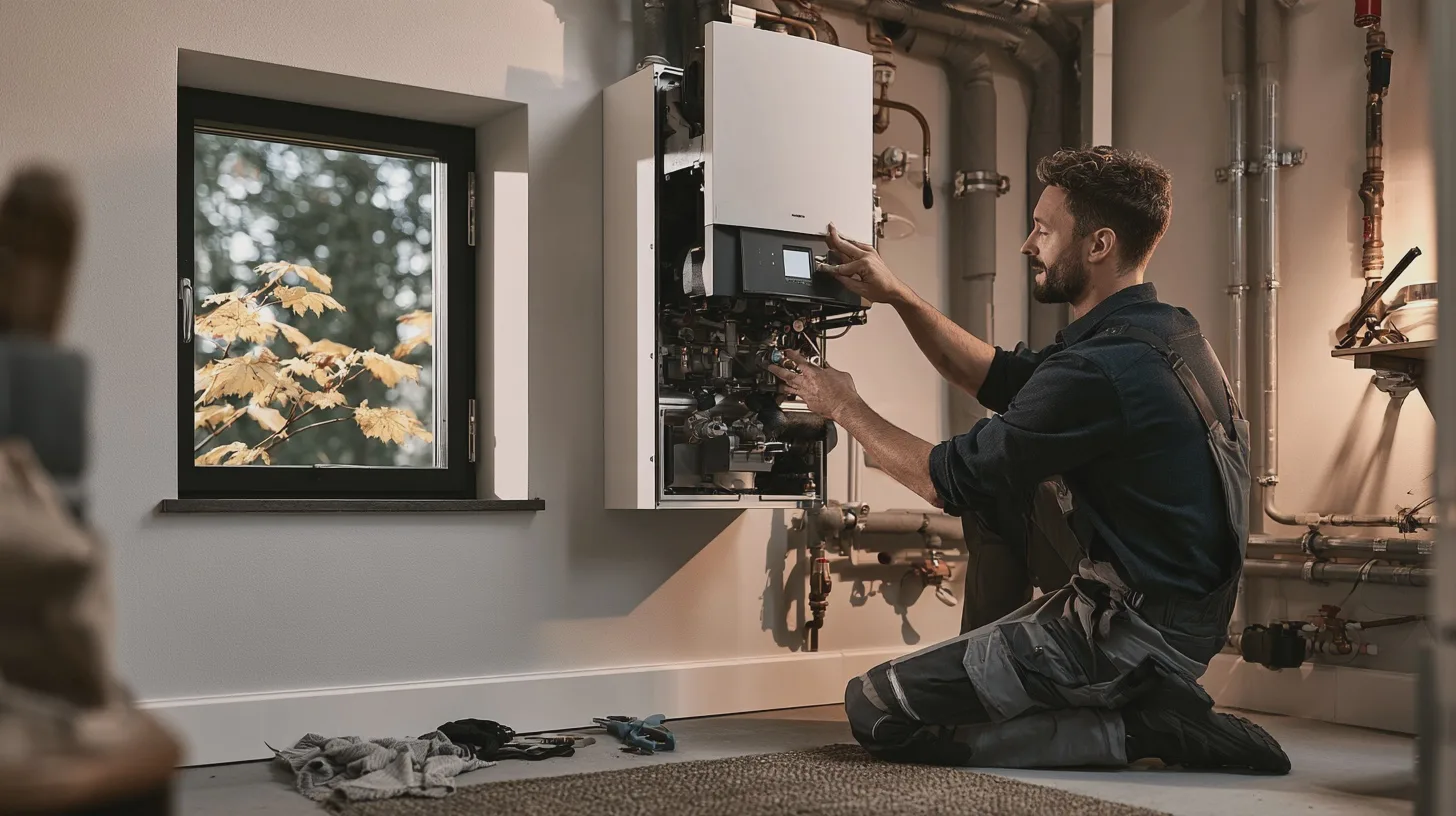
  • Service your boiler in September or gamble on winter?

    Service your boiler in September or gamble on winter?

    The first properly cold morning arrives. You turn up the thermostat, the boiler declines the invitation, and you remember how much everyone in the house likes hot water.

    Should you have booked a boiler service in September? Possibly. Not because autumn services are cheaper, or because an engineer can prevent every breakdown. The point is to find a problem before it becomes urgent.

    The first cold morning is a rotten time to discover your boiler has packed in. September’s advantage may be availability, not a cheaper service.

    The £100 service versus the £450 emergency

    For a gas boiler, Checkatrade’s 2026 UK price guide puts a one-off service at approximately £80–£120, averaging £100. Its separate guide, updated in May 2026, estimates an emergency boiler repair at approximately £225–£675, averaging £450. These are guide prices, not a quote for your postcode or your particular fault.

    On those averages, the emergency repair costs £350 more than the service. It is a useful comparison, not a saving you can bank: a service may find nothing wrong, and a serviced boiler may still break down. If the engineer finds a fault during the visit, the repair will normally cost extra. Ask what the service price includes and get a separate quote before agreeing to repairs.

    The question is whether spending roughly £100 on a planned visit is worthwhile for a safety and condition check, a chance to spot some faults early, and less risk of arranging work under pressure. It does not replace paying for a repair when one is needed.

    First, check your paperwork. If you already pay for boiler cover that includes an annual service, booking another separately could mean paying twice. If you have no cover, weigh the one-off service quote against a repair bill you could comfortably absorb. Your emergency fund matters more than any imaginary promise of a breakdown-free winter.

    September buys you time, not a discount

    There is no sound reason to assume a September boiler service comes with a seasonal discount. Ask local engineers for prices rather than waiting for an autumn bargain that may never appear.

    Availability makes a stronger case. Which? reports that installers find October to December particularly busy for boiler installations, while homeowners needing an emergency replacement can struggle to get help at short notice. That does not mean every local engineer’s diary is full, or that a September booking guarantees a quick repair. An earlier appointment simply gives you more room to respond if the engineer finds trouble.

    Suppose a service reveals a part needs replacing. While the heating still works, you can ask what is wrong, whether the boiler is safe to use, what the repair includes and when it can be done. You can compare quotes instead of taking the first available appointment. If the same fault appears on a freezing morning, speed may matter more than price.

    Then there is the inconvenience that never fits neatly into a repair estimate: cancelled plans, a cold home and the scramble to arrange access while you are at work. If you have struggled to find an engineer at short notice before, that breathing space may be worth more to you than a small difference between service quotes.

    September’s advantage is not a cheaper service; it is having choices before a fault makes them for you.

    Your boiler’s age and guarantee change the calculation

    For a newer boiler, look at the guarantee before looking at the calendar. Vaillant’s domestic boiler guarantee terms, for example, require annual servicing by an appropriately registered Gas Safe engineer and a record of the service. The service itself is not included in the guarantee. Other manufacturers have their own terms, so check yours and keep the paperwork. September has no special standing: what matters is when your next service is due.

    Nor is a guarantee blanket breakdown cover. Vaillant’s terms exclude, among other things, components outside the boiler and fair wear and tear. If a fault develops, check what is covered before agreeing to a chargeable repair.

    For an older boiler, a service may be less about protecting a guarantee and more about understanding its condition while you still have choices. Which? cites a typical boiler lifespan of around 10–15 years, while stressing that planning depends on the individual system. Age alone tells you little: a reliable boiler need not be replaced just because it has had a birthday.

    Ask the engineer about its condition and any developing faults. If repairs are becoming frequent, get a written repair quote and compare it with replacement quotes before deciding. Planning gives you time to weigh the costs. A winter failure has a way of turning ‘I’ll think about it’ into ‘when can you come?’

    Book the right visit with the right engineer

    If you own and live in your home, you are not legally required to obtain the annual gas safety record that landlords need. You are arranging maintenance of your own appliance. If you let a property, the rules differ: landlords must arrange an annual gas safety check of the gas appliances and flues they provide, as well as maintain them. The Health and Safety Executive warns that a service does not automatically meet the legal safety-check requirement, nor does a safety check necessarily provide adequate maintenance. Tell the engineer you are a landlord and confirm what the visit covers.

    Whichever visit you need, gas work belongs with a Gas Safe registered engineer qualified for that type of appliance. Check their registration through the Gas Safe Register and ask to see their ID card, including the qualifications on its reverse. Do not attempt gas-boiler repairs yourself.

    When requesting a quote, say what boiler you have and whether you need a routine service or an investigation of an existing fault. Ask what is included, whether VAT is included, how additional work is priced and what written service record you will receive. A service appointment is not a promise to fix a fault for the same price.

    If you suspect the appliance is unsafe, September’s value is beside the point. Turn it off and arrange for a Gas Safe registered engineer to assess it; do not wait for a routine slot.

    service-your-boiler-in-september-or-gamble-on-winter_INS2_MJ

    Book now or wait? A quick checklist:

    • Check when the boiler was last serviced and when its guarantee requires the next visit.
    • See whether an existing cover plan already includes a service.
    • Think about the boiler’s age, recent faults and whether you could comfortably meet an urgent repair bill.
    • Get a written service quote from a Gas Safe registered engineer qualified to work on your boiler.
    • If you are a landlord, book the required gas safety check separately or confirm that the visit explicitly includes it.

    If a service is due, September is a sensible time to seek an appointment. If the boiler is already faulty or may be unsafe, arrange an assessment instead of waiting for a routine service.

    Sources

  • Vitamin D: start in October or take it year-round?

    Vitamin D: start in October or take it year-round?

    The clocks have not changed yet, but vitamin D has its own autumn timetable. If you have spent the summer wondering whether you need a tablet, the short answer is this: October is the usual starting point. For some men, though, there is no summer break.

    What matters is less your age than how much sunlight reaches your skin. Happily, you can work that out faster than you can choose a streaming programme.

    The sun clocks off early, but your vitamin D routine needn’t be guesswork. October is the usual starting point; some men need a daily dose year-round.

    Start in October, not when you feel run-down

    If you are generally well and get outdoors in spring and summer, consider taking 10 micrograms (µg) of vitamin D daily from October through March. That is 400 international units (IU) on a supplement label. Put a reminder on your phone now; it takes about a minute and needs no specialist knowledge.

    Vitamin D helps your body regulate calcium and phosphate, which matter for healthy bones, teeth and muscles. In the UK, sunlight on your skin can provide much of what you need during the brighter months. Come autumn and winter, making enough is harder, and food alone is unlikely to fill the gap.

    Think of this as a precaution for ordinary life, not a test of whether you feel sufficiently ‘winterish’. A dull Tuesday is not evidence of vitamin D deficiency, and a supplement is not a proven shortcut to more energy or immunity against every bug doing the rounds.

    The NHS says most people can choose not to take a supplement from around late March or early April until the end of September. Northern Ireland’s Public Health Agency describes the winter window as October to late March or April. There is no need to agonise over which day in spring to stop: first decide whether the year-round advice below applies to you.

    When the summer break does not apply

    Here is a more useful question than ‘Do I own a raincoat?’: does sunlight regularly reach your skin, even in summer?

    The NHS advises 10 micrograms daily throughout the year if you are seldom outdoors, live in a care home or usually cover most of your skin outside. It also says people with darker skin — including those of African, African-Caribbean or South Asian background — should consider the same year-round routine, because they may make less vitamin D from sunlight.

    Look at your actual week. If work, caring responsibilities or illness keep you indoors for long stretches, a few sunny bank holidays may not reflect your usual exposure. A man who walks outdoors regularly in summer faces a different decision from one who rarely sees daylight. Skin colour and how much skin is exposed matter too; there is no useful ‘one size fits all’ sunbathing target here.

    Across the UK, the practical message is similar. Welsh Government guidance advises considering 10 micrograms in autumn and winter and says people who are housebound, cover their skin or have darker skin may need it all year. Food Standards Scotland encourages a daily 10-microgram supplement particularly from October to March and advises year-round use for higher-risk groups. Northern Ireland’s guidance also flags limited sun exposure and darker skin. None of this calls for chasing a tan: protect your skin from burning.

    October is the cue for most men; how much sun reaches your skin tells you whether to carry on in summer.

    Buy the dose, not the sales pitch

    Oily fish such as sardines and salmon, egg yolks and some fortified breakfast cereals contain vitamin D. They are useful foods, but they do not make the winter supplement advice redundant. Unlike milk in some other countries, UK cow’s milk is generally not fortified with vitamin D.

    For a straightforward option, Boots Vitamin D 10 µg Food Supplement comes in a pack of 90 tablets. Its listed price is £2.75, so roughly £3 for about three months is a fair approximate guide; prices can change. That is an example, not a special recommendation. A supermarket or pharmacy own-label product with the same daily dose will do the job. Take half a minute to check the ‘per tablet’ or ‘daily serving’ line for 10 µg or 400 IU.

    Already taking a multivitamin? Check its vitamin D content before adding another tablet. Do not confuse milligrams with micrograms, or assume ‘high strength’ means more useful. The 10-microgram recommendation is not an invitation to work your way towards the maximum.

    The NHS advises adults not to take more than 100 micrograms (4,000 IU) a day because too much vitamin D from supplements over time can cause calcium to build up in the body and harm the kidneys and heart. Some medical conditions call for a lower limit. Unsure what is in your existing supplements? Show the packets to a pharmacist.

    Know when a tablet is not the answer

    Routine supplementation and treatment for a suspected deficiency are different jobs. The 10-microgram tablet is a sensible seasonal measure for many people; it cannot diagnose a deficiency or replace an assessment of persistent symptoms.

    If you have unexplained bone pain or muscle weakness, speak to your GP. Do the same if you have a condition that affects nutrient absorption, kidney disease, or questions about vitamin D alongside prescribed medicines. Your GP can assess whether testing or a different approach is appropriate. NICE advises against routine vitamin D testing without symptoms, particularly high risk or another clinical reason. October arriving is not, by itself, a reason to buy a blood test.

    If a clinician has already diagnosed a deficiency or advised you to take a particular dose, that individual plan takes precedence over the general seasonal advice. Treatment for severe deficiency can involve a short course of much higher doses, with clinical oversight. Do not try to recreate it with handfuls of shop-bought tablets.

    For an ordinary question about which product to take, or whether two supplements overlap, a pharmacist is a good first stop. For symptoms or a medical condition, contact your GP. If you need urgent medical advice, use NHS 111; call 999 in an emergency.

    Otherwise, keep it boring: choose the right dose, decide whether you need it for six months or twelve, and get on with your day.

    vitamin-d-start-in-october-or-take-it-year-round_INS2_MJ

    The simple rule: consider 10 micrograms (400 IU) daily from October to March. If you get little sun or have darker skin, consider taking it all year. Check other supplements before doubling up, and ask your GP about possible deficiency rather than treating it yourself.

    Sources