Category: entertainment

  • Why new hobbies die before the second month

    Why new hobbies die before the second month

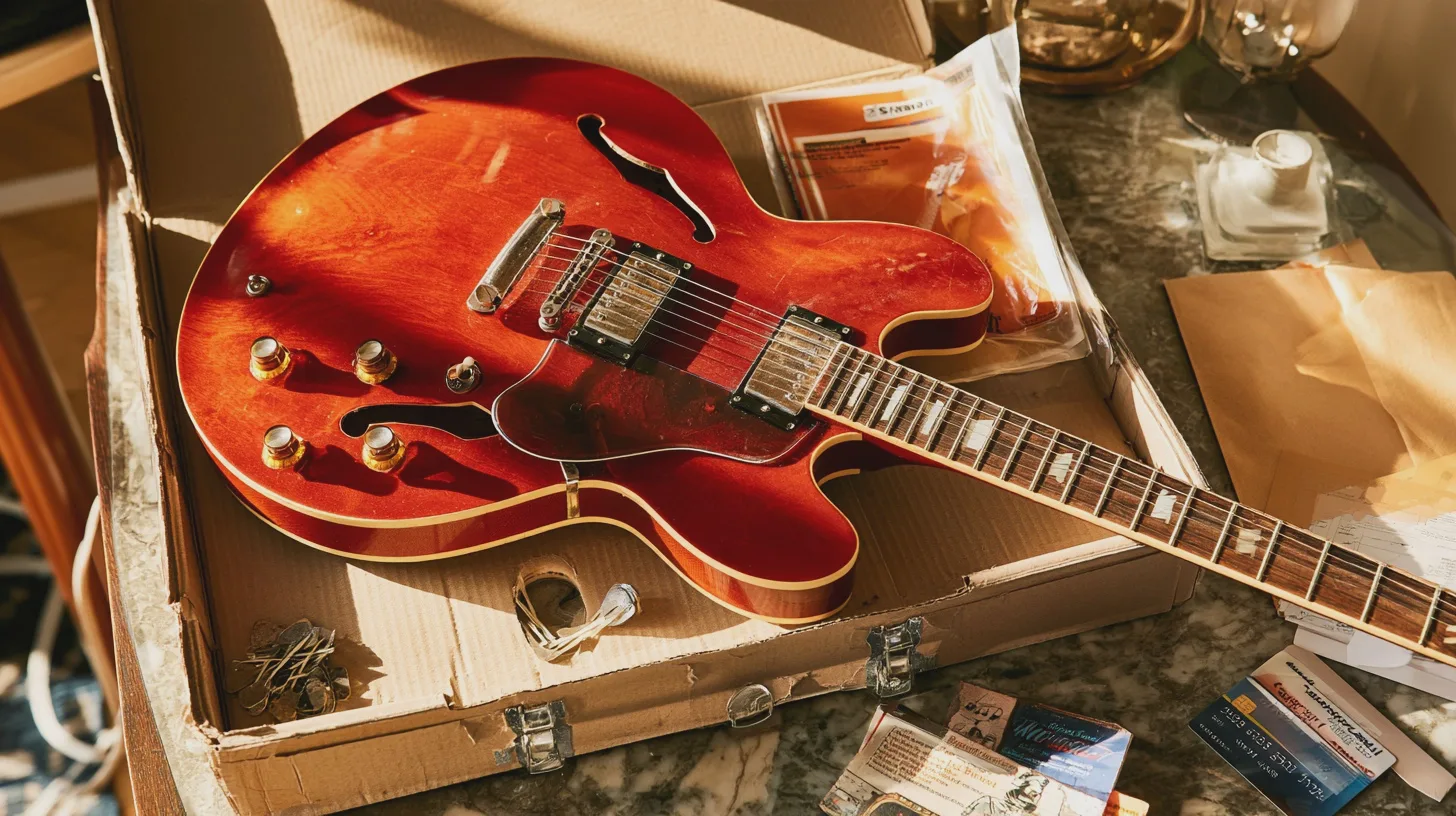
    There’s a peculiar optimism in buying equipment for a new hobby. The guitar arrives, the camera gets its own bag, and somewhere in the house a box of paints suggests you’ve become a more interesting person. Then Tuesday happens. By week five, the box hasn’t moved.

    That doesn’t mean you lack discipline. Often, the hobby simply never found a workable place in your life. Four familiar mistakes can finish it off before you’ve properly discovered whether you like it.
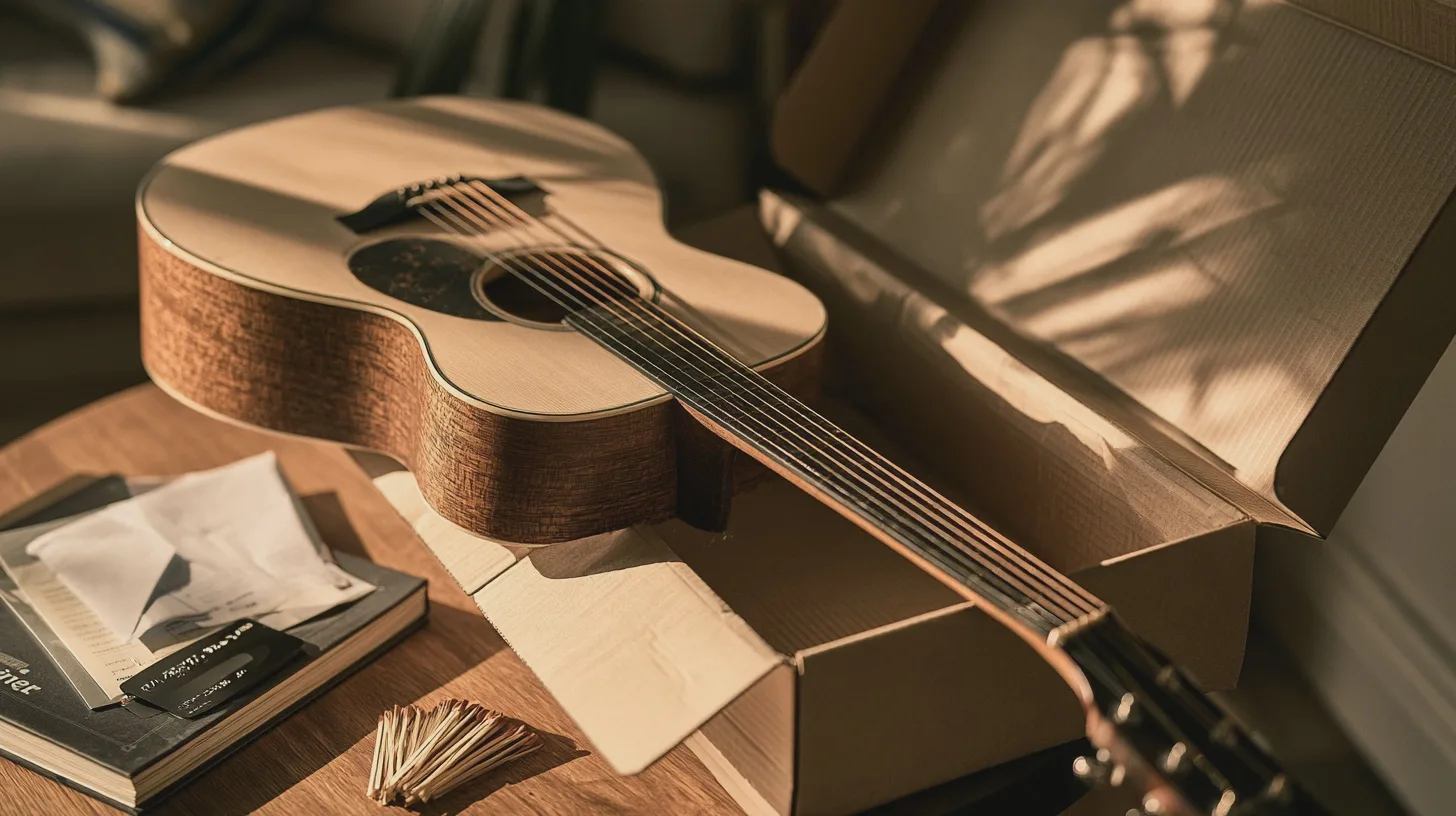
    The guitar is still in its box, but the credit-card bill has arrived. Here’s why enthusiasm stalls and how to make room for week five.

    Mistake one: buying the hobby before trying it

    Shopping feels like progress because it has a satisfying ending: you pay, and something arrives. Learning guitar offers no such courtesy. Buy an instrument, stand, pedals and an impressive number of cables, and you may still lack a reason to pick the thing up.

    Start with a trial, not a collection. Ask to borrow a guitar for a fortnight and arrange two or three 15-minute sessions. If borrowing isn’t possible, buy one playable second-hand instrument rather than a complete starter setup. A used Squier SA-105 acoustic is one concrete option: allow approximately £50–£70 for a basic second-hand acoustic, though condition and availability vary. A retailer’s listing puts that model at £59.99. If you can, ask someone who plays to check that the strings aren’t painfully high and that it holds its tuning.

    The same rule applies to photography, painting or anything else with an accessories aisle: get only what you need for your first attempt. Then put a date in the diary to reconsider the purchase. Have you enjoyed doing the activity, or mainly enjoyed researching it? I ask as someone who has spent a heroic amount of time comparing equipment for things I’ve barely done. Spend money once you’ve gathered evidence, not instead of gathering it.

    Mistake two: planning for the week you wish you had

    On a quiet Sunday, an hour every evening sounds entirely reasonable. Come Wednesday, work has overrun, somebody needs a lift and the sofa is making a compelling argument. An ambitious timetable can make one missed session feel as though the whole project is blown.

    Plan around your least glamorous normal week. Look at next week’s calendar for five minutes and choose two slots of 15 minutes each. Put them somewhere plausible: after breakfast on Saturday, perhaps, and before you settle down on Tuesday. You need no experience to make the plan; you’re just finding space. If you have more time when a session comes around, carry on. If you don’t, the short session still counts.

    The NHS’s Every Mind Matters advice includes enjoyable activities when planning a balanced week and suggests trying just five minutes when getting started feels difficult. That isn’t a promise that five minutes will transform your life. It’s permission to start without clearing an entire evening.

    Leave a little slack, too. Two sessions you actually manage are more useful than seven that look admirable in a notebook. A hobby should make your week more enjoyable, not become another unpaid appointment with a disappointed manager — especially when the manager is you.

    Buy less, plan for the week you actually have, and make the next session easier to start than to postpone.

    Mistake three: expecting the beginner stage to be brief

    The first week is full of possibilities. By the third, you may have awkward hands, muddy colours or photographs that looked better in your head. It’s tempting to read that gap between taste and ability as proof that you’re no good at the hobby. More often, it means you’ve just started.

    Make the target smaller and closer. For guitar, spend 15 minutes changing between two chords you can already form, rather than demanding a flawless song by the end of the month. For drawing, sketch the same mug once a week for four weeks. A complete beginner can do either exercise; the point is to give yourself something specific to return to, not to produce work you’d show a stranger.

    Keep a brief record if it helps: what you attempted, what was tricky and what you might try next. It takes about a minute after each session. You may spot an improvement, or find that one part of the hobby is more enjoyable than the goal you first set. Both are useful information.

    Resist turning every spare moment into a tutorial binge. Watching an expert make it look effortless is entertaining. Your own uneven attempt is how you find out whether you enjoy doing it. Those are different hobbies, and only one requires you to put the kettle down.

    Mistake four: leaving practice to chance

    “I’ll do it when I get a moment” is a charming plan until the moment arrives and you can’t find the tuner. A new hobby has to compete with familiar routines, so make the next session easy to start.

    At the end of each practice, spend two minutes setting up the next one. Put the guitar on its stand where you’ll see it, leave the sketchbook open at a blank page, or write a note saying, “Tuesday: try those two chords again.” Keep equipment safely out of the way where necessary; a guitar across a hallway is less an invitation than a trip hazard. Decide when you’ll return before you pack up. When the time comes, you’ll have one small job rather than another round of decisions.

    After four weeks, give the hobby a fair review. Did you make room for it? Was any part enjoyable once you began? Would a shorter session, a different project or some company make you want to continue? If so, adjust the plan and try another fortnight.

    If the honest answer is no, you’re allowed to stop. Losing interest after actually trying something is a verdict, not a character defect. Pass on the equipment, reclaim the space and take what you learned into the next experiment. Week five matters only if you still want to be there.
    why-new-hobbies-die-before-the-second-month_INS2_MJ

    To give a new hobby a chance beyond the first month, try it before investing heavily, book a couple of short sessions and set beginner-sized goals. Prepare the next attempt before you finish this one. If you’ve given it a fair go and still don’t enjoy it, move on without calling it a failure.


    Sources

  • Can chess or bridge keep your brain sharper?

    Can chess or bridge keep your brain sharper?

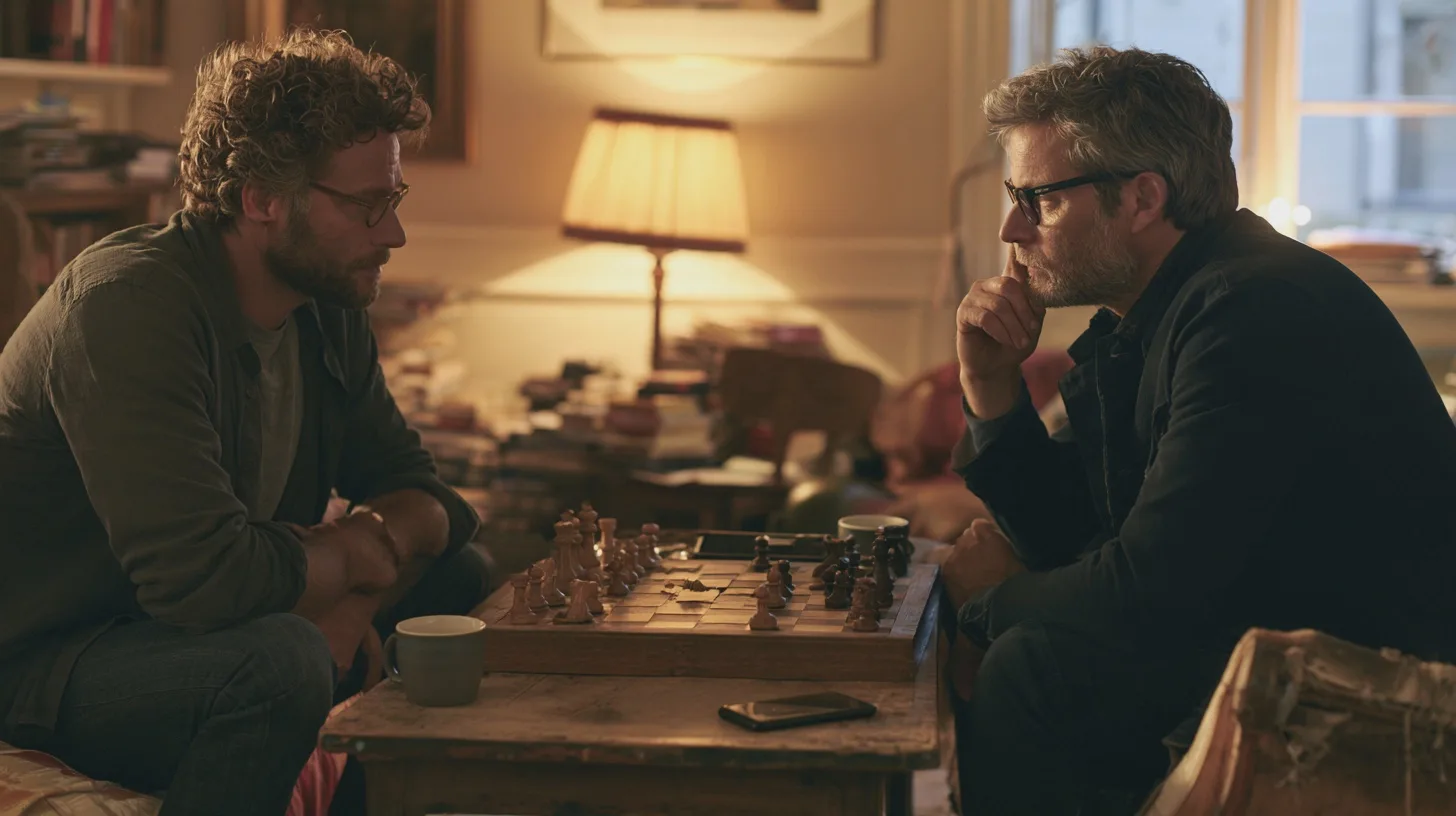
    There is something attractively old-fashioned about the idea that a chessboard or a pack of cards might do your brain some good. No subscription, no screen nagging you about a 47-day streak. But the leap from ‘this makes me think’ to ‘this will stop dementia’ is where the argument runs out of road. Chess and bridge are worth playing. The question is what, beyond the game itself, we can reasonably expect from them.

    A chess match or bridge night beats another evening scrolling. Whether either protects your brain is less certain — and the company might be doing half the work.

    What chess and bridge actually give you

    Chess makes you hold possibilities in mind, weigh a move against its consequences and change course when your opponent ignores your excellent plan. Bridge adds memory, probability and communication with a partner: you bid with incomplete information, track what has been played and try not to glare when your partner reads your clever signal as something else entirely. Both offer a mental challenge that grows with your skill.

    They also give you a reason to practise. You might learn an opening, spot a familiar pattern or become less likely to give away a trick. Getting better at chess or bridge is a perfectly good outcome, even if it tells us little about how well you remember your PIN or organise a busy Tuesday. Enjoyment counts here. A game you look forward to is more likely to stay in your week than a worthy ‘brain workout’ abandoned after three sessions.

    Bridge has one particularly obvious extra ingredient: it needs a partner and opponents. A regular table offers conversation, a shared project and a reason to see people. Chess can do that too, especially across a board rather than against an anonymous app, though it is easier to play alone. None of this makes bridge a proven medical intervention. It does mean that if the cards are mainly an excuse to meet friends, the evening has not failed just because you forgot which suit was trumps.

    The evidence is interesting, not a guarantee

    Research gives us grounds for curiosity, not a winning ticket. A 2023 study in JAMA Network Open followed 10,318 generally healthy Australians aged 70 or over. More frequent participation in a combined group of activities — games, cards or chess, plus crosswords and puzzles — was associated with a 9% lower dementia risk over follow-up. That figure does not tell us what happens when someone takes up chess or bridge. The researchers found no separate protective effect for either game; in their analysis of individual activities, games or cards did not show the association seen for the combined group.

    It was an observational study: researchers recorded what people already did rather than assigning them to play. They adjusted for factors including education and physical activity, but players could still differ in ways the questionnaire could not capture. Healthier people may find it easier to carry on playing; early changes in thinking might make someone stop. Cause and effect can run the other way. The participants were also considerably older than most Midcent readers.

    Trials do not settle it, either. A small, non-randomised, 12-week chess-training study reported improvements on cognitive measures and quality of life among older adults in care settings. Encouraging, certainly; proof that chess prevents dementia in a healthy 55-year-old, no. The World Health Organization’s updated 2026 dementia-risk guidelines recognise potential cognitive benefits from stimulating activities while noting that evidence they prevent dementia remains limited. Better test scores — or a higher chess rating — are not the same as better everyday functioning decades later.

    Getting better at a game is real, but it does not prove you have protected your brain from dementia.

    Play the game, but mind the bigger picture

    If you enjoy either game, keep it in the diary. A weekly chess match of roughly 45–60 minutes is a reasonable start if you know the basic rules; you need no rating or tournament experience. For bridge, try beginner sessions if necessary, then arrange a regular table when you and your fellow learners feel ready. The point is a repeatable pleasure, not a self-imposed examination. Playing with people you like may be the best reason to turn up.

    Just do not let an absorbing evening become an alibi for neglecting the less glamorous stuff. The NHS recommends at least 150 minutes of moderate physical activity each week, alongside strength work twice a week, as part of its advice on reducing dementia risk. It also identifies loneliness or social isolation as possible risk factors. The WHO’s 2026 guidance places cognitive and social activity within a wider approach that includes physical health. Neither organisation suggests a board game makes up for sitting still the rest of the week.

    Sleep belongs in the picture too: leave yourself enough time for it rather than letting a late match eat the night. But let’s be precise about the claim. The WHO says poor sleep is associated with cognitive problems while evidence that sleep interventions themselves prevent dementia remains insufficient. Looking after sleep makes sense for how you feel and function; it is not a promise of immunity. If a change in memory or thinking persists and worries you, speak to your GP rather than treating a difficult bridge hand as a diagnostic test.

    The verdict: chess and bridge offer challenge, pleasure and, especially around a bridge table, companionship. Play because those things make for a better evening. Anything more ambitious for long-term brain health remains unproved.

    can-chess-or-bridge-keep-your-brain-sharper_INS2_MJ

    Chess and bridge give you rewarding ways to think and spend time with others, not treatments or proven dementia prevention. Pick the game you enjoy, make room for people, and keep sleep and physical activity in the picture.

    Sources

  • WhatsApp or pub: choose your book club format

    WhatsApp or pub: choose your book club format

    A book club for old friends sounds easy until somebody suggests actually meeting. One man can’t justify a pub bill, another finds a long walk difficult, and a third has spent enough of his life commuting to regard another train journey as a personal insult. Forget what a book club is supposed to look like. What matters is whether your particular friends can turn up, hear one another and say what they thought of the ending.

    One mate hates the pub bill, another can’t manage the walk, and nobody wants another commute. Pick a book club that survives real life.

    Home or pub: comfort versus a clean getaway

    At home you have the best chance of an unhurried conversation. Close a door, turn down the music and let someone finish a point without competing with the fruit machine. There’s no venue bill or obligation to buy a drink; agree that guests bring their own and nobody has to produce a spread worthy of a television cookery programme. Bad weather needn’t cancel the meeting, though everyone still has to get there.

    Access is the catch. The most generous host may live up two flights of stairs, with a narrow hallway and a downstairs loo that exists only in estate-agent poetry. Ask about steps, seating, toilets and travel before volunteering someone’s living room. Hosting also means tidying, answering the door and knowing when to send everyone home. Rotate homes only if people genuinely want to host; otherwise, the same mate gets lumbered with it.

    At the pub nobody has to clean up, and neutral territory makes it easier to leave at the agreed time. Around a quiet table, conversation can flow beautifully. Beneath a televised match, it can dissolve into six separate conversations. Try an early, quieter slot; check the noise, step-free entrance, seating and accessible toilet rather than assuming the word ‘accessible’ settles everything. Travel and rain still count, even if the meeting itself is indoors.

    Cost is the obvious weakness. The Morning Advertiser’s 2026 survey put the average pint at £5.34; roughly £4–£7 for a pint is a useful, approximate budget, varying by beer and location. Two drinks and a journey can make a supposedly casual evening rather less casual. Verdict: home wins for quiet and a flexible spend; the pub wins for low hosting effort, provided everyone can afford and comfortably use it.

    Video call or walk: no commute versus fresh air

    By video call makes most sense when travel keeps friends apart. There’s no venue bill, no hosting and no weather problem beyond finding a reasonably quiet corner at home. WhatsApp supports group video calls, so a group already using it needn’t learn a new meeting platform. Check that everyone can get online without worrying about mobile-data costs, though, and offer a five-minute practice call if needed. That takes no technical expertise, just patience.

    A screen doesn’t remove every access problem; it changes them. Poor sound, small images and people talking over one another can make discussion hard to follow. Give each person a turn, use headphones where helpful and keep cameras on if someone relies on seeing faces to follow speech. Age UK’s digital-inclusion guidance recommends checking individual access needs rather than assuming a video call works for all. A call is wonderfully convenient for the friend who cannot travel, and deeply unappealing to the one who has spent all day in video meetings. Verdict: excellent for distance, less good for effortless group chatter.

    On a walk there’s no host and no venue charge, though getting to the start may still cost money. Moving side by side can make honest conversation easier than staring across a table. But the person at the back may never hear the person at the front. Keep the group small, choose a short, level route with somewhere to sit and a toilet nearby, and stop occasionally so everyone can join the same discussion. Allow about 15 minutes to check the route beforehand; no walking-club experience is needed. The Ramblers’ route details show why surface, rest stops and toilets are worth checking.

    Rain, darkness, uneven paths and differing stamina can turn an agreeable stroll into an exclusion policy. Verdict: lovely when the route suits every member; a poor default when it doesn’t.

    The best book club format isn’t the most atmospheric one; it’s the one that doesn’t quietly leave a friend out.

    Choose for the mate most likely to miss out

    Before voting for your favourite format, ask what would stop each person coming. Spend ten minutes gathering three answers from everyone: the most they’re comfortable spending on an evening, how far they can reasonably travel, and anything they need to take part — a step-free toilet, a quieter room, a place to sit or a screen-free night. No one owes the group a medical explanation or a bank statement. ‘That won’t work for me’ is enough.

    Then choose a format for the next two meetings, not for eternity. If travel is the sticking point, try video. If screen fatigue is the problem and someone can offer a suitable space, try home. If nobody wants to host, test a quiet pub with a stated spending limit. Try a walk only when everyone can use the route comfortably. After two meetings, take five minutes to ask who could hear, who could afford it and who would come back. That beats asking whether it felt sufficiently literary.

    Rotating formats can spread the compromises: perhaps home one month, video the next and an occasional pub evening. But rotation is fair only if the person who cannot manage the walk, pub or screen still has a genuine way to join. Don’t make someone miss every fourth book for the sake of a tidy calendar.

    A WhatsApp chat is handy between meetings for choosing the next title, confirming the time and posting the thought you forgot to say. Agree to flag spoilers and keep notifications manageable. Don’t quietly turn the chat into the whole club: fast typists dominate, messages arrive while people are working, and not everyone wants another conversation living in their pocket. Keep the meeting as the main event, in whichever form your friends will actually attend. You’re arranging an evening together, not auditioning to chair the Booker Prize.

    whatsapp-or-pub-choose-your-book-club-format_INS2_MJ

    Start with access, travel and a comfortable budget; try a format for two meetings, then change it if someone is missing out. Home, pub, video and walking can all work. WhatsApp is useful glue between meetings, not a compulsory substitute for one.

    Sources

  • The Books of 2026 People Actually Finish

    The Books of 2026 People Actually Finish

    The book everyone photographed in January is still on your bedside table. No shame in that: a handsome cover and a persuasive recommendation are excellent reasons to start a novel. They are less persuasive on page 173, when the dishwasher needs emptying and you have work tomorrow.

    So let us try a different test for books published in the UK by 30 September 2026: what, exactly, might make you pick one up again? These recommendations draw on publication details and critical reception, not a claim that I have personally finished the books — or that anyone has measured how many other readers did.

    The book everyone photographed in January is still on your bedside table. Which 2026 releases earn the last twenty pages rather than another bookmark?

    A bestseller sticker is not a finishing certificate

    TikTok’s July UK BookTok Bestsellers list put Caro Claire Burke’s Yesteryear at number five. According to TikTok, the list combines retail data and TikTok engagement. It measures attention and buying, not completed reading. The platform also reported more than 84 million posts using #BookTok, up 65% over the preceding year. That is a formidable amount of conversation; it is not 84 million people closing a book with a satisfied sigh.

    Yesteryear, published here by 4th Estate on 9 April in a hardback priced at approximately £17, has a splendid pitch: an American tradwife influencer who sells an idealised past wakes up in what appears to be the real thing. You can see why that travels well in a caption. There is instant irony, a recognisable target and a question that might carry a whole novel: what happens when the lifestyle loses its modern conveniences?

    The Guardian’s Rhiannon Lucy Cosslett found the narrator’s voice funny and propulsive, but argued that the mystery takes precedence over richer questions about motherhood, politics and disability. That distinction matters. The premise may carry you through the first sitting; the review raises doubts about what the last pages earn. My verdict: consider it if you want sharp satire and a puzzle, but do not expect the definitive novel about online performance. A book can be highly discussable and still leave you wishing the discussion had gone deeper.

    For momentum, try a mystery with one clear question

    Claire Douglas’s The Family Friend offers a more dependable appointment with the next chapter. Imogen inherits a house near Bath from an artist she has not seen in 16 years. Why her? And why does a box bearing her name suggest that the woman’s death may not have been an accident? Those questions are easy enough to remember after a day in which you have forgotten three passwords and why you entered the kitchen.

    The UK paperback was published by Penguin on 2 July, runs to 400 pages and has a listed price of £9.99 — approximately £10. Penguin also lists a March 2026 ebook edition, so check the format before assuming July was the book’s first appearance. TikTok placed the title at number one on its July UK BookTok Bestsellers list. Again, that tells you about visibility, not how many readers finished it.

    There is plenty of publicity on the publisher’s page. More helpful when deciding whether to give it your evenings is the machinery in the synopsis: an inheritance, a message, a possible murder and a piece of family history that may explain all three. Each discovery promises to change the meaning of the last. My verdict: this is the best bet here if you want a plot to pull you forward without first learning an entire invented kingdom’s tax system. It is domestic suspense, not a guaranteed life-changing experience; a sales ranking cannot tell you whether its twists will satisfy.

    A ranking can show which book people noticed or bought; it cannot show who wanted to read the last twenty pages.

    For a payoff that stays with you, follow the people

    Elizabeth Strout’s The Things We Never Say gives you another reason to continue: not another body in the library, but the chance that an ordinary man might finally understand his own life. Artie Dam is a history teacher in his fifties, married for decades and quietly isolated. A revelation makes him reconsider what he knows about those closest to him. It was published in the UK by Viking on 7 May and shortlisted for the 2026 Booker Prize. Hatchards lists the hardback at approximately £19.

    Booker judges praised Strout’s understated prose; the prize’s book page also gathers reviews admiring her tenderness towards human frailty. My verdict: start here if you have little patience for throat-clearing but plenty for emotional complexity. Its quietness may be the sticking point. If you are waiting for a thriller’s escalation, choose Douglas instead. Artie’s unanswered questions, rather than a cliffhanger, are what draw you back.

    Douglas Stuart’s John of John demands more stamina: the UK Picador hardback appeared on 21 May, runs to 416 pages and is listed at approximately £20. On the Isle of Harris, a young man returns to a father whose authority and religious convictions have helped keep crucial parts of both their lives unspoken. It, too, made the Booker shortlist. The Guardian called the novel enthralling while cautioning that its sorrow and late melodrama can be draining. My verdict: choose it for a substantial father-and-son story with an emotional destination, not a brisk commute read. Strout’s restraint and Stuart’s intensity take opposite routes to the same advantage over a photogenic premise: reasons to care about what happens after the photograph.

    the-books-of-2026-people-actually-finish_INS2_MJ

    If you want pace, pick The Family Friend. For a short, quietly affecting novel, try The Things We Never Say; if you have room for a heavier one, consider John of John. Let Yesteryear remind you to look beyond a brilliant pitch.

    Sources

  • Stadium, Arena or Field: Choose Your 2027 Concert

    Stadium, Arena or Field: Choose Your 2027 Concert

    The best part of a stadium gig is singing with thousands of strangers. The worst is finding out they all need the same train. If you’re choosing a UK concert for 2027, the useful question isn’t which poster looks biggest; it’s what you’ll actually see, hear and endure for the money. As of 30 September 2026, several dates are confirmed, but not every bill or standard ticket price has been published. Here’s the case for a stadium, an arena and a field — without drafting in imaginary headliners to make the argument.

    A stadium chorus sounds glorious until you see the train queue. For 2027, weigh arena seats against festival mud before your wallet and knees object.

    Stadiums: buy the spectacle, not the close-up

    Wembley Stadium confirms Harry Styles for 25, 27 and 28 August 2027. Ticketmaster confirms Slipknot there on 3 July, with general tickets due on sale on 2 October 2026; its help page says ticket prices will be released when sales begin. There’s no honest standard-price comparison to make for that Slipknot show yet. Check the actual seat and checkout total rather than trusting somebody’s confident guess in a group chat.

    A stadium earns its keep when the crowd becomes part of the performance. If you want a mass singalong or the full force of a large-scale production, the distance from the stage may be a fair exchange. If you want to watch a drummer’s hands, it probably won’t. Outdoor sound can also feel less immediate than arena sound, particularly from a distant seat. Screens help you follow the show; they don’t turn a faraway ticket into a close-up.

    For knees, I’d take a well-positioned reserved seat over hours of standing, however tempting the floor looks on a seating plan. Check the view, any restrictions and the route to your section before paying. Then price the whole night: ticket and fees, travel, food and a possible hotel if your last connection is tight. Wembley lists Wembley Park and Wembley Stadium stations among its transport options, but a choice of stations is no guarantee of a swift exit. Work backwards from the journey home before committing to the encore. Stadium value is emotional, not reliably economical: buy it when the artist and the crowd are exactly what you came for.

    Arenas: the sensible seat is a genuine pleasure

    Rush play The O2 in London on 16, 18 and 21 March 2027, according to the venue. It’s an apt arena test for those of us who would rather hear the musicians than study them as moving pixels. Compared with a stadium, the room is more contained; from a carefully chosen seat, I’d expect a better balance of direct view, sound and comfort. That’s a judgement about the format, not a review of a show that hasn’t happened.

    The trick is to buy for sightline, not status. A reserved seat with a clear angle towards the stage may beat a nearer spot where you spend the evening looking sideways or standing to see over someone else. Inspect the event’s seating map and decide whether the upper tier feels too distant for your taste. An arena seat gives you somewhere to sit between sets, though it can’t guarantee the people in front of you will stay seated when the familiar opening notes arrive. The O2 lists premium seats for Rush, but premium is an option, not a medical requirement.

    I couldn’t establish a dependable standard ticket-price range from the venue’s published Rush page, so I won’t invent one. Compare the live checkout total for seats you would actually take, including fees, before adding travel. The O2 says tickets bought through it or AXS are displayed in The O2 app, and points buyers towards AXS Official Resale. That matters more than a suspiciously convenient listing elsewhere. An arena still has exit queues, and North Greenwich is not magically next door to every reader’s home. But if one confirmed performer is your priority and you want a seat without making an expedition of it, this is my pick.

    The ticket buys the music, but the seat, the weather and the last train decide whether you enjoyed the night.

    Festivals: more music for your money, more work for your knees

    Here, at least, the organisers publish useful figures. Reading Festival lists 2027 weekend non-camping at £296, weekend camping at £326 and camping with early entry at £362. Those are approximate planning figures in the £296–£362 range, subject to what’s available at checkout, not a promise that a particular act will play. Its non-camping ticket does not let you leave and re-enter the arena on the same day. A nearby bed sounds attractive, then, but it’s less useful as a daytime escape hatch than you might think.

    Glastonbury confirms 23–27 June 2027 at Worthy Farm. Its general-admission weekend ticket is £408, including the stated booking fee, plus £11.25 postage per order of up to six tickets. For one person ordering alone, that is about £419.25 before transport, food or camping kit. You must register to attempt the sale; its announced coach-ticket sale is 1 October 2026 and general sale is 4 October. Neither a deposit nor an instalment plan makes the final ticket cheaper. Download, at Donington Park on 9–13 June 2027, also has camping and arena-only options, but its organiser says performer information will follow. Don’t buy any of these weekends on the strength of a rumoured line-up.

    A festival wins if you want discovery and will watch enough sets to justify the weekend ticket. Dividing the price by the acts you genuinely intend to see is more useful than dividing it by every name eventually printed on a poster. The compromises are wandering sightlines, variable outdoor sound, walking, weather and standing: don’t assume a chair or accessible viewing arrangement comes with general admission. Add transport, accommodation where needed and the cost of getting home tired. If comfort is the point of your holiday, a field may be an odd place to look for it.

    stadium-arena-or-field-choose-your-2027-concert_INS2_MJ

    My verdict: choose an arena seat for the best all-round balance of view, comfort and effort. Choose Wembley when being part of that particular crowd matters more than the distant stage and slow exit. Choose a festival when you actively want a weekend of discovery — not just one headliner at the far end of a field. Before buying any of them, check the seat or admission terms, the final checkout price and your last realistic route home. Your knees get a vote.

    Sources

  • Listening bars versus pubs: better nights after 45

    Listening bars versus pubs: better nights after 45

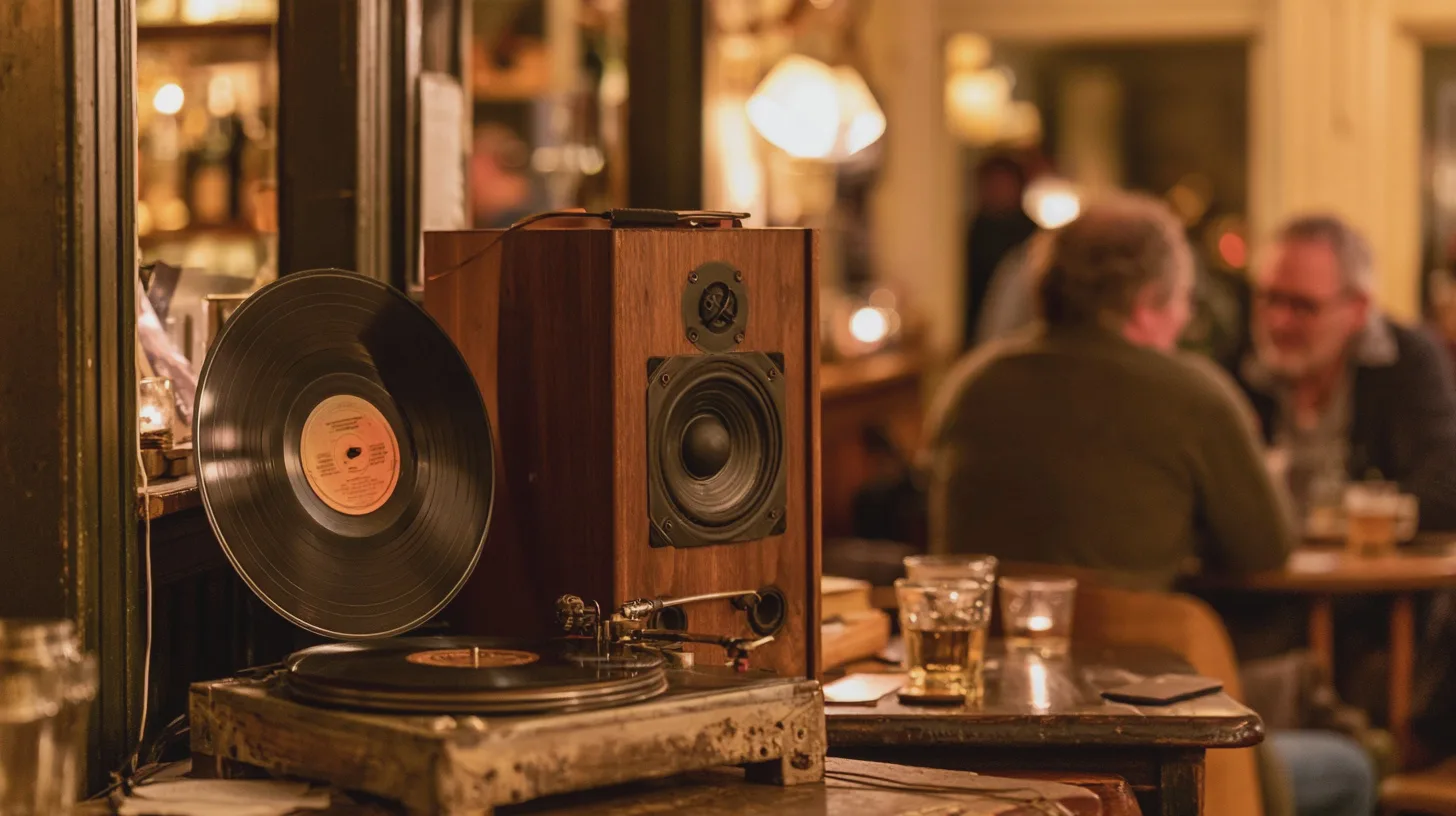
    If you leave a night out knowing the bassline but not what your friend said about his divorce, you chose the wrong venue. At a listening bar, the record gets top billing. At a pub, conversation usually does. At a gig, your mate might as well be on another continent until the interval.

    None is inherently the grown-up choice. The trick is deciding whether you’re going out to talk, listen together or surrender to a performance — ideally before buying two tickets and realising you wanted the first of those.

    At a listening bar you can hear the record; at a gig, perhaps not your mate. Can the pub save your voice and wallet?

    For a proper catch-up, give the pub first refusal

    My verdict for seeing an old friend: start with a traditional pub, not a listening bar. You want the freedom to change subjects, stay for one drink or settle in for three, and hear the answer to “How are things, really?” without interviewing someone over a drum solo. Any music should be incidental. The atmosphere can be gloriously uncurated: familiar faces, an actual bar to lean on and nobody expecting a thoughtful response to side two.

    But pub is not a volume setting. J D Wetherspoon says most of its pubs play no background music, while its Lloyds No.1 bars can have music or DJs. A music-free room can still be deafening when it fills up. Find a table away from the bar, television and quiz night; if the catch-up matters, go earlier rather than staking your voice on Friday at nine.

    The financial advantage is flexibility, not a guaranteed bargain. In an ordinary pub you can generally stop after a pint without having bought a show ticket; check the particular venue for event admission, table terms and drink prices. There is no defensible single “UK pub pint” to put on your budget. Before you commit, check that pub’s current menu and events calendar. If it turns out to be hosting a live band, excellent for the band, less excellent for the story your friend has been trying to finish since 2019.

    For a date, let a listening bar do some of the work

    A listening bar makes a good date if you both like music enough to let it interrupt you. The record gives you something to notice together; a lull in conversation feels deliberate rather than terminal. My pick for that balance is The Left Bank in Glasgow’s West End: it describes its vinyl-led sound as loud enough to matter but set so people can still talk. It takes bookings and welcomes walk-ins. Ask which area your booking covers and what is happening on the night; a table beside the decks is a different prospect from one tucked away for dinner.

    For an evening that puts music first, there’s Spiritland in London’s King’s Cross. It has seating and table service rather than a dancefloor, and says ordinary entry is free, with selected talks and Q&As ticketed. So you can have a drink and listen without paying for a gig. It does not mean every listening event suits a long conversation. Check the programme and ask about chat etiquette, booking deposits or minimum spends before promising someone an intimate evening.

    The cost can creep up at the bar. The Left Bank’s published drinks menu puts draught pints at approximately £5–£7, depending on the beer. Those are Glasgow venue prices, not a UK-wide listening-bar tariff. Budget for the drinks you would actually order, plus food if this is dinner rather than a date sustained entirely by opinions about hi-fi. My verdict: excellent for a date with room for companionable silence; a poor choice if either of you needs to get something important off your chest.

    The best night out is one where the music and the conversation know which of them is the guest.

    For a solo night, pick the gig — but check the seat

    Going alone to a gig is underrated. You owe nobody commentary during the set, can stand where you like and can leave when the encore starts to feel like an administrative matter. For a music-focused solo evening, I would choose a seated show first. Union Chapel in London is fully seated, though most seats are unreserved wooden pews: arrive around doors for a better choice, and consider a small cushion. Its live-event stage curfew is 10.30pm. Check the individual listing for doors, finish and ticket terms before planning your route home.

    A loud standing show is a different purchase. It offers energy and proximity, but is rarely the place for a catch-up, and standing for a whole set may not be your idea of leisure after work. Leeds venue Brudenell Social Club’s October listings show advance gig tickets at approximately £15–£38 for various acts, with booking fees on top; that is a snapshot of individual shows, not a standard gig price. Check the specific ticket for seating or standing, accessibility arrangements and fees. Factor in drinks, travel and any cloakroom charge before declaring the night affordable.

    Take well-fitting earplugs to a loud show. NHS hearing guidance recommends protection for concerts; even a seated gig is not necessarily gentle on the ears. Finally, check the last train or bus before the headliner’s start time, and decide whether you would pay for a cab if it disappears. My verdict: gig for a solo evening, seated if comfort matters; pub for your friend; listening bar for a date. The venue should suit the night you want, not the person you were at 25.

    listening-bars-versus-pubs-better-nights-after-45_INS2_MJ

    The short version: book a pub table for a proper catch-up, choose a conversation-friendly listening bar for a music-loving date, and go to a gig solo when the performance matters most. Check the event, the full cost and your journey home. Above all, don’t confuse a seat with silence or a record player with permission to talk through the album.

    Sources

  • Which streaming service are you, really?

    Which streaming service are you, really?

    At some point, choosing a programme became harder than choosing a mortgage. Every app promises a lifetime of entertainment; every Tuesday, you watch half a trailer and go to bed. Try a less glamorous test: who actually uses your television, what do they put on, and how much would you pay to avoid an argument? Pick the description that sounds most like your home. That’s your service — not the one with the loudest billboard.

    Three subscriptions, one knackered remote, and nothing anyone fancies watching. Your ideal streaming service depends less on prestige drama than who controls Tuesday night.

    If you resent another bill, start with ITVX

    Your best fit is ITVX if you want a dependable British drama, the occasional documentary and something everybody recognises without holding a family referendum. Its free, ad-supported offering includes Unforgotten: just the sort of series you can start after dinner without first studying a fictional universe’s family tree. The adverts are the price. If they irritate you less than another direct debit, that’s a perfectly sensible bargain.

    Two rivals matter in the free camp. If comedy is your default, choose Channel 4 instead: it makes Taskmaster available to stream for free. If you already have a TV Licence and routinely watch BBC programmes, make BBC iPlayer your one-stop app. ‘Free’ needs a footnote here: you need a licence to watch or download anything on BBC iPlayer, including on-demand programmes. A standard colour licence costs £180 a year.

    For ITVX or Channel 4, on-demand viewing alone does not require a TV Licence. Watching their live channels does. The same live-TV rule applies inside paid streaming apps, so a subscription cannot stand in for a licence. My verdict: try the free service that matches what you already watch before paying to solve a problem you may not have.

    If the household shares the remote, choose Disney+

    Disney+ is the best single paid service when one account has to stretch from children’s television to adult viewing. There’s Bluey for younger viewers, while The Bear and Shōgun give the grown-ups something more demanding than another superhero’s origin story. The point isn’t that everyone watches together. It’s that everyone has somewhere to go when they don’t.

    Disney+’s UK Standard with Ads plan is £5.99 a month; advert-free Standard is £9.99 a month. They’re useful approximate monthly budgets, though check the price at checkout, especially if you subscribe through another company. Both plans allow two simultaneous streams. That matters more in a shared home than a breathless claim about thousands of titles: two people can disagree peacefully in separate rooms.

    But what if the household is all adults with wildly different tastes? If one wants crime drama, another wants reality television and nobody is especially attached to Disney’s franchises, Netflix is the safer compromise. Its UK plans currently run from £7.99 to £20.99 a month, with The Gentlemen and Love Is Blind: UK illustrating just how different those evenings might be. I’d choose Disney+ for a family; Netflix for adults who can’t agree on a genre. Paying for both indefinitely isn’t a personality trait.

    The best streaming service is the one that settles Tuesday night, not the one that wins an argument about catalogue size.

    If evenings are precious, choose Apple TV

    Some people want an app to fill every idle moment. Others want one good programme and their evening back. If you’re in the second group, Apple TV is my pick. In the UK it costs £9.99 a month after a seven-day trial. Slow Horses offers Gary Oldman and gloriously dysfunctional spies; Severance is there when you have the attention to spare. Its originals are advert-free, and you don’t need to buy an Apple TV box to watch them.

    That narrower focus is part of the appeal: Apple TV is a more deliberate choice than the sprawling family compromises above. Don’t assume everything displayed in the Apple TV app comes with the subscription; rentals, purchases and other services are separate. If nobody else in the house wants its originals, I’d pay for a month or two, watch what I came for and leave.

    If your real habit is following Sky dramas and HBO series, NOW is the better fit. Its cancellable Entertainment membership is £7.99 a month; Entertainment & HBO Max is £9.99 a month and includes every HBO Max series through its ad-supported tier. Choose the latter if The Pitt is why you’re signing up. NOW also sells cheaper six-month minimum-term options, but flexibility is worth something when evenings are limited. Its live channels require a TV Licence; its on-demand programmes alone do not.

    If you already pay for Prime, stop shopping

    If Amazon Prime is already on your bank statement, Prime Video deserves to be your first paid app, if only because you’ve paid for it. UK Prime membership is £8.99 a month or £95 a year and includes Prime Video with limited adverts. Start with Reacher rather than opening another subscription the moment someone recommends a new show. Prime Video has an awkward habit of displaying rentals and add-on channels beside included viewing, so check the price button before pressing play.

    Would I join Prime solely for television? Not automatically. If you don’t use its delivery benefits and want a service built around your viewing, Netflix, Disney+ or Apple TV may suit you better. Prime’s advantage is convenience for an existing member, not a magical answer to every taste. Nor should a sports viewer mistake an occasional event in a general entertainment subscription for a complete sports package: choose a sports-specific membership only if the fixtures you follow justify its separate cost.

    Here’s the remote-control verdict. No appetite for another bill? ITVX, unless Channel 4’s comedy or your already-licensed BBC viewing plainly wins your evenings. Sharing with children? Disney+. Sharing with adults who disagree about everything? Netflix. Watching carefully chosen dramas largely on your own? Apple TV — or NOW if you specifically want Sky and HBO. Already paying for Prime and reasonably happy? Prime Video. Pick the one that answers a real Tuesday-night question, then cancel the subscriptions that only answer an imaginary one.

    which-streaming-service-are-you-really_INS2_MJ

    Here’s a useful test: look at what your household actually watched last week, not what it says it might watch someday. Keep the service that fits those evenings. The others can wait.

    Sources

  • The theatre subscription trap: six plays, two visits

    The theatre subscription trap: six plays, two visits

    In September, six winter theatre dates seem perfectly manageable. You’ll leave work on time, nobody will need a lift, and a cold Tuesday will feel like an invitation to go out. By February, you’ve seen one play, missed another and paid for a small cultural identity you haven’t had time to inhabit.

    The question isn’t whether a subscription offers a discount. It’s whether it discounts the nights you can actually attend. UK theatre memberships, multi-show bundles and ordinary tickets charge for different things; muddling them up is how a promising season becomes expensive fiction.

    By February, you have seen one play and paid for six. Check booking windows, seat restrictions and exchange rules before your winter theatre plan becomes expensive fiction.

    Count evenings, not shows

    Before comparing prices, open your calendar. Give it about 15 minutes; no spreadsheet expertise required. Mark the evenings you could genuinely spend at the theatre after work, travel and family commitments. Then cut the optimistic total. If six dates become two, price two dates.

    Take a deliberately simple illustration: six qualifying seats at £40 each. Ordinary tickets cost £240 before any fees. A 20% bundle discount brings that to £192. But if you attend only two performances, you’ve paid £96 per visit, against £80 for two individually bought £40 seats, again before fees. Your ‘saving’ has cost £112. Add a companion’s unused tickets and the arithmetic looks still less charming.

    This isn’t a made-up theatre offer: Theatre Royal Plymouth advertises a non-member multibuy rate of 20% on five or more qualifying productions. Its terms require the qualifying shows to be booked together; the offer excludes premium seats and some shows or performance times. The £40 seat in my example is illustrative, not its quoted price.

    And a bundle isn’t the same as a membership. Plymouth’s multibuy commits you to several bookings at once. A flexible membership charges an annual fee, then lets you choose eligible tickets as your year unfolds. Neither guarantees a seat on the Saturday you finally have free.

    Find the break-even point before joining

    ATG+ offers a useful test case for a flexible membership. It currently costs £50 for 12 months by recurring Direct Debit, or £60 as a one-off card payment, without ticket protection. Tickets are extra. ATG advertises selected member prices, some removed transaction charges, priority booking and fee-free exchanges within its rules; it doesn’t promise a fixed saving on every seat.

    Here’s the calculation: divide the annual fee by the saving on tickets you expect to buy. Suppose the eligible performance and seat you want save £5 per ticket, with no other fee saving. The £50 membership needs ten such tickets to break even; the £60 version needs twelve. For a couple buying two seats each time, that means five or six visits respectively. Two visits would save £20 on tickets and leave you £30 or £40 short. If your actual checkout also removes transaction charges, count those too — but only where they really disappear.

    Compare the non-member and member checkout totals for identical seats, dates and party size. Add the membership fee to the member total. Set both against any multibuy basket and against booking each show separately. For perspective, the National Theatre’s listed productions include tickets at roughly £25–£110 and a £4 per-order booking fee for non-members, so seat choice and how you group bookings can change the answer considerably. A drinks discount is a perk, not a reason to invent bar spending you would otherwise have avoided.

    The break-even point isn’t six shows booked; it’s enough eligible shows actually attended to recover what you paid upfront.

    Read the restrictions as carefully as the price

    Five minutes with the terms can spare you a winter of muttering. First, ask when you must book. Plymouth’s multibuy requires three or more qualifying productions in the same purchase and cannot be applied retrospectively. That makes it attractive if you know your dates, much less so if you intend to decide after Christmas. For a membership, check when priority booking opens, whether the shows you want are included and whether your membership must still be valid when you make changes.

    Next, look closely at the actual performances and seats. Plymouth limits its multibuy to specified price bands, excludes premium seats and concessions, and warns that particular shows or times may be exempt. ATG says its ticket discounts are subject to availability. A discount on Tuesday’s remaining seats is no help if Thursday is your only viable night.

    Finally, read ‘exchange’ as a precise instruction, not a promise of a refund. ATG+ advertises a free move to another available date for the same show at the same venue, requested at least 48 hours before the performance; a dearer replacement seat can cost more. Plymouth’s standard terms say tickets are non-refundable unless a performance is cancelled and that an exchange to another performance of the same production may be possible for £1.50 per ticket.

    Check when the membership expires, whether Direct Debit renews automatically and what happens to unused bookings or credits. Put the renewal date in your calendar before the welcome email vanishes beneath six months of newsletters.

    Who should subscribe — and who should simply book

    My verdict: buy a multi-show deal only when you already want the qualifying productions and can put their dates in the diary now. Plymouth’s multibuy is a concrete option for someone local enough to use it and certain enough to book several shows together. Don’t add an indifferent sixth show merely to reach a better percentage. The cheapest unwanted ticket is the one you never buy.

    Consider ATG+ if you regularly attend ATG venues, can identify eligible savings on performances you would book anyway, and value the option to move a date within its 48-hour rule. If your work or caring commitments change, that flexibility may matter more than a headline bundle discount. It is still not a licence to exchange a touring production for an entirely different play, or to assume every desirable seat is reduced.

    Book individually if your realistic forecast is one or two visits, your free evenings are unpredictable, or the shows you fancy are spread across venues and offer little overlap with one membership. Buy the first ticket you genuinely want, then reassess. The National Theatre’s published prices remind us that an ordinary booking has a cost, but no annual fee to earn back.

    Before paying, run the same short test for any theatre: total price with fees; number of dates you’ll probably attend; eligible seats and performances; last exchange deadline; membership or bundle expiry. If the saving depends on a version of you who goes out every Tuesday in January, let that fellow pay for it.

    the-theatre-subscription-trap-six-plays-two-visits_INS2_MJ

    Bottom line: A bundle suits a settled diary; a flexible membership suits a frequent theatregoer who can use its specific benefits. If neither sounds like your winter, book the play you want to see, on a night you can make.

    Sources